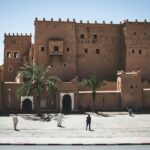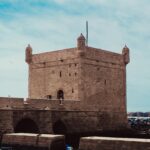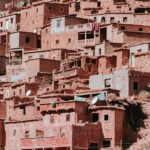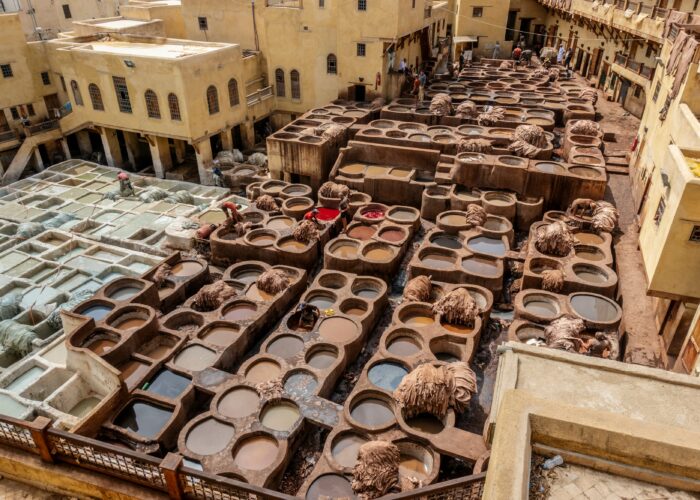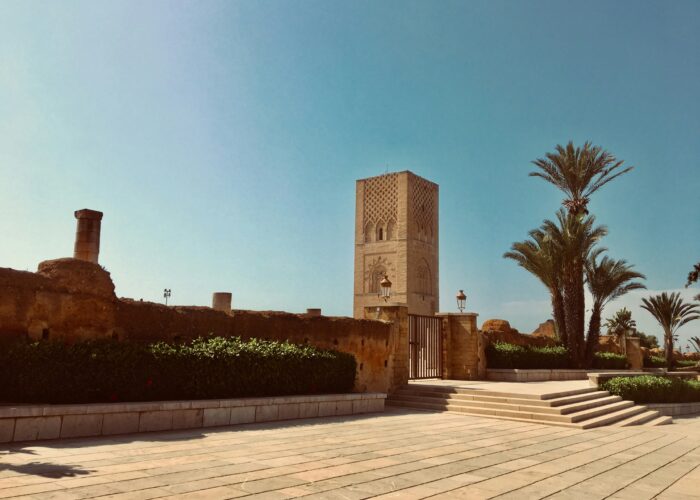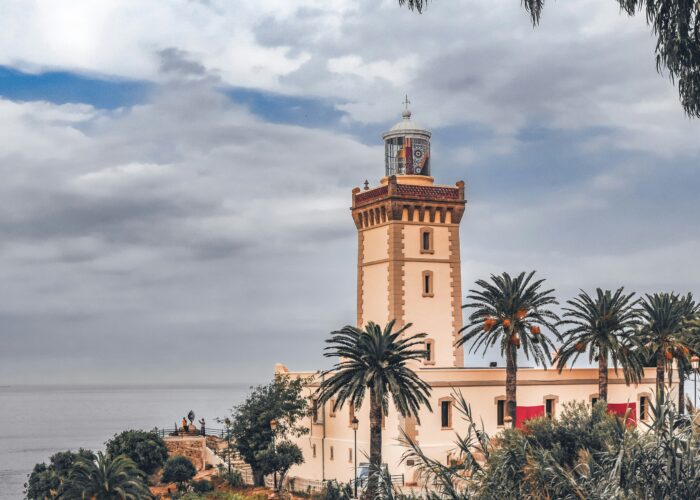
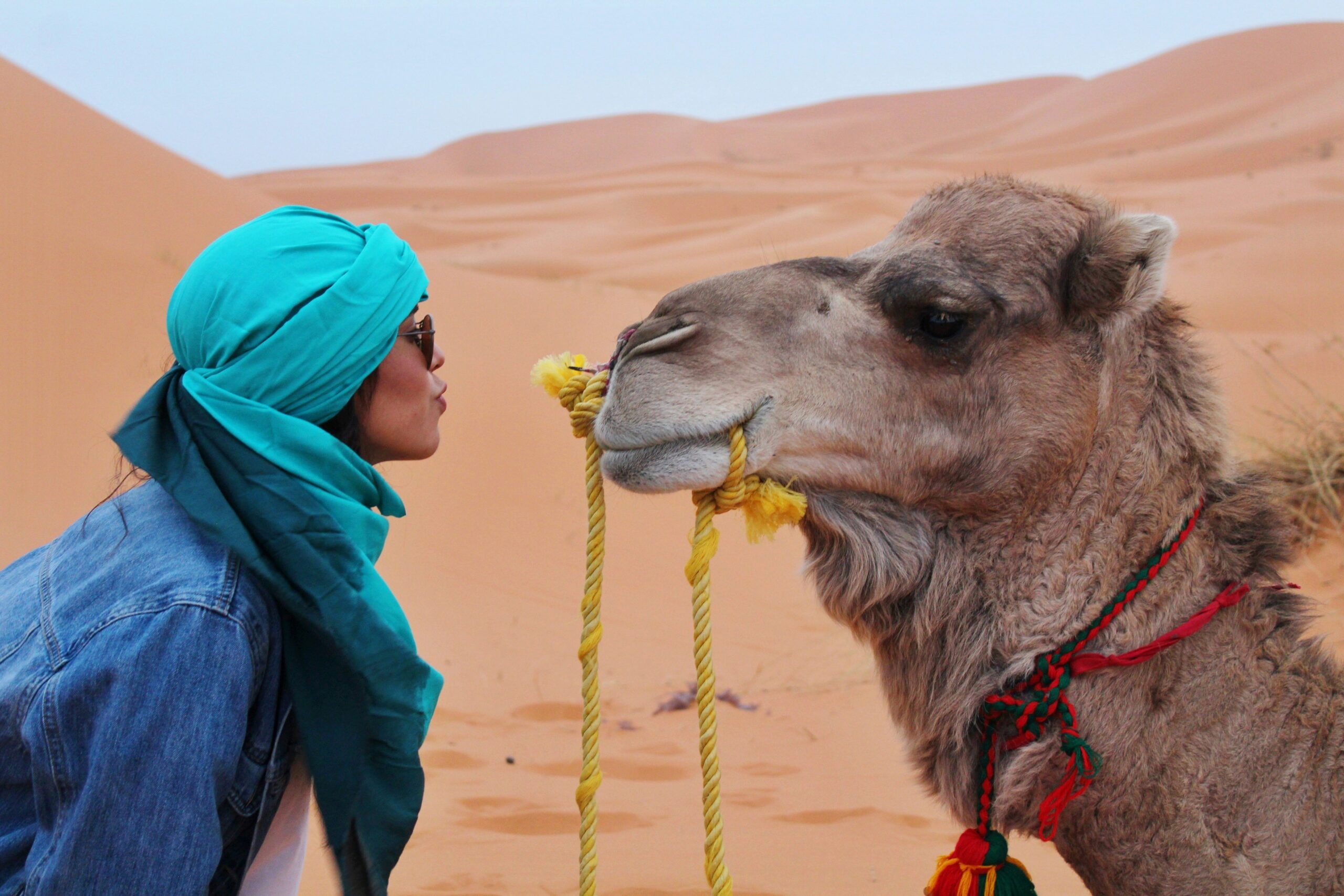
Travel Tips for Morocco can make all the difference in creating a smooth and unforgettable journey. From exploring the vibrant streets of Marrakech and Fes to wandering the blue alleys of Chefchaouen or venturing into the Sahara Desert, knowing the best ways to navigate the country helps travelers enjoy its rich culture, stunning landscapes, and unique experiences with ease. Whether it’s understanding local customs, planning the right season to visit, or discovering hidden gems off the beaten path, these tips ensure you make the most of your Moroccan adventure.

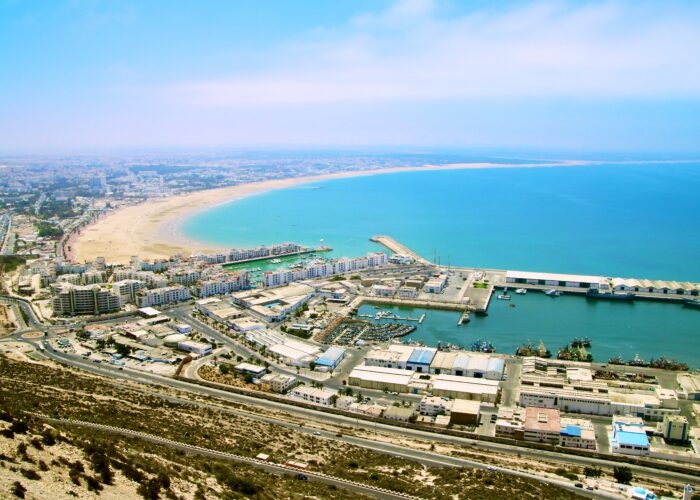
The fishing village of Imsouane near Agadir, Morocco.
There are countless things I wish I had understood before relocating to Morocco . This fascinating North African destination exposes travelers to the full spectrum of reality: the charm, the challenges, the surprises, and the breathtaking beauty. For many first-time visitors, Morocco can feel like a major culture shock, yet with the right travel tips, cultural awareness, and a bit of patience, you can fully embrace its diversity, connect with locals, and experience the country authentically without expecting it to mirror home. To help ensure a smooth Morocco travel experience, here are essential things to know before visiting.
Planning for your trip to Morocco
1. Keep your itinerary loose and flexible
Research the places in Morocco You may want to plan your Morocco itinerary in advance but still leave flexibility for changes along the way and embrace spontaneity. While it’s possible to pre-book guided tours, desert trips, and cultural activities online, many travelers find it just as simple—and often cheaper—to arrange them once they arrive in Morocco.
2. Learn some of the lingo in advance to better connect with locals
In Morocco, you’ll hear a fascinating blend of French, Arabic, Amazigh, and even English, depending on the region you visit. Travelers should not assume that everyone speaks fluent English. Handy tools like Google Translate can help, but making the effort to learn a few basic Arabic phrases or Moroccan Darija expressions will greatly enhance your trip, helping you connect more deeply and engage warmly with locals.
3. Get cash on arrival
The Moroccan dirham (MAD) is a closed currency, so you won’t be able to exchange it before arriving in Morocco. While rural villages and small towns still rely heavily on a cash economy, major cities, hotels, and restaurants widely accept credit and debit cards. For a smooth Morocco travel experience, it’s best to carry both cash and card when exploring.
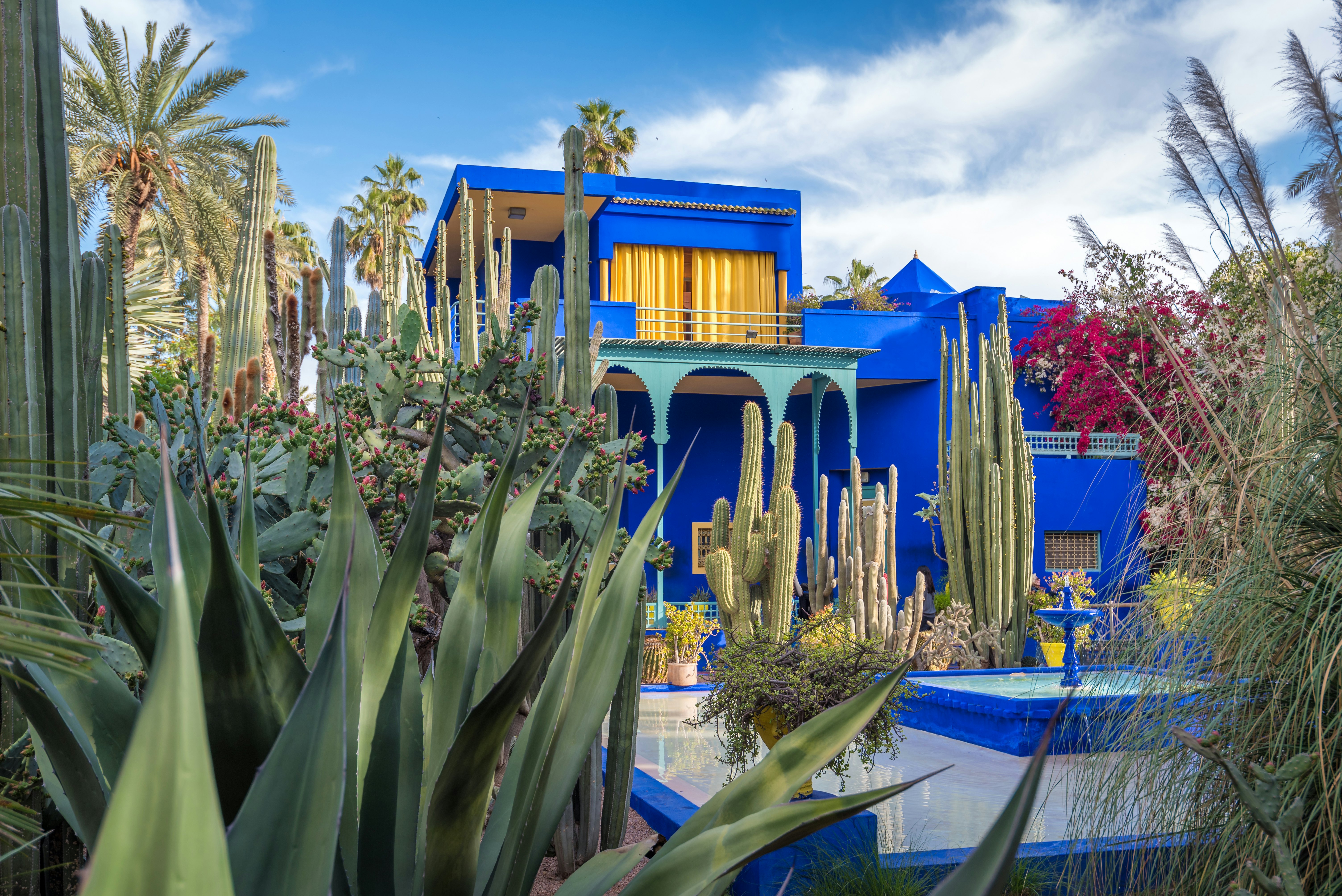
4. Make bookings before going to Marrakesh
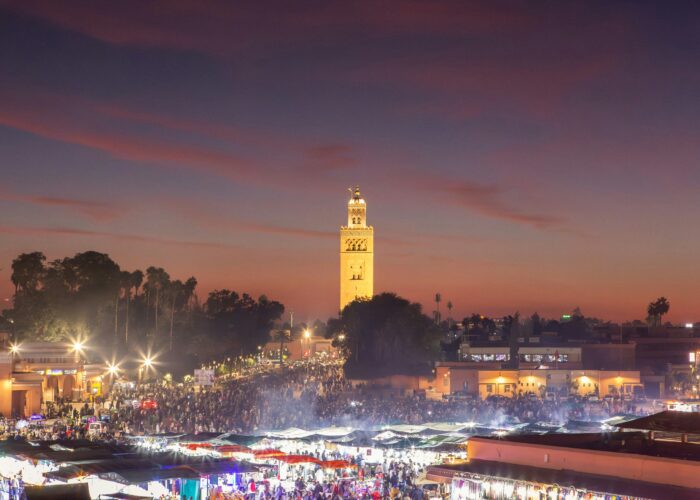
Marrakesh is Morocco’s most visited city, so it’s wise to pre-book tickets online for top attractions like Jardin Majorelle and the Musée Yves Saint Laurent to skip long queues. The bustling Marrakesh medina really comes alive after 5pm, yet the famous “Red City” offers far more than its historic souks—explore the modern district of Gueliz, wander leafy side streets, and uncover charming street cafés, stylish bistros, and independent boutiques.
Traveling around in Morocco
1. Take public transport, especially in cities
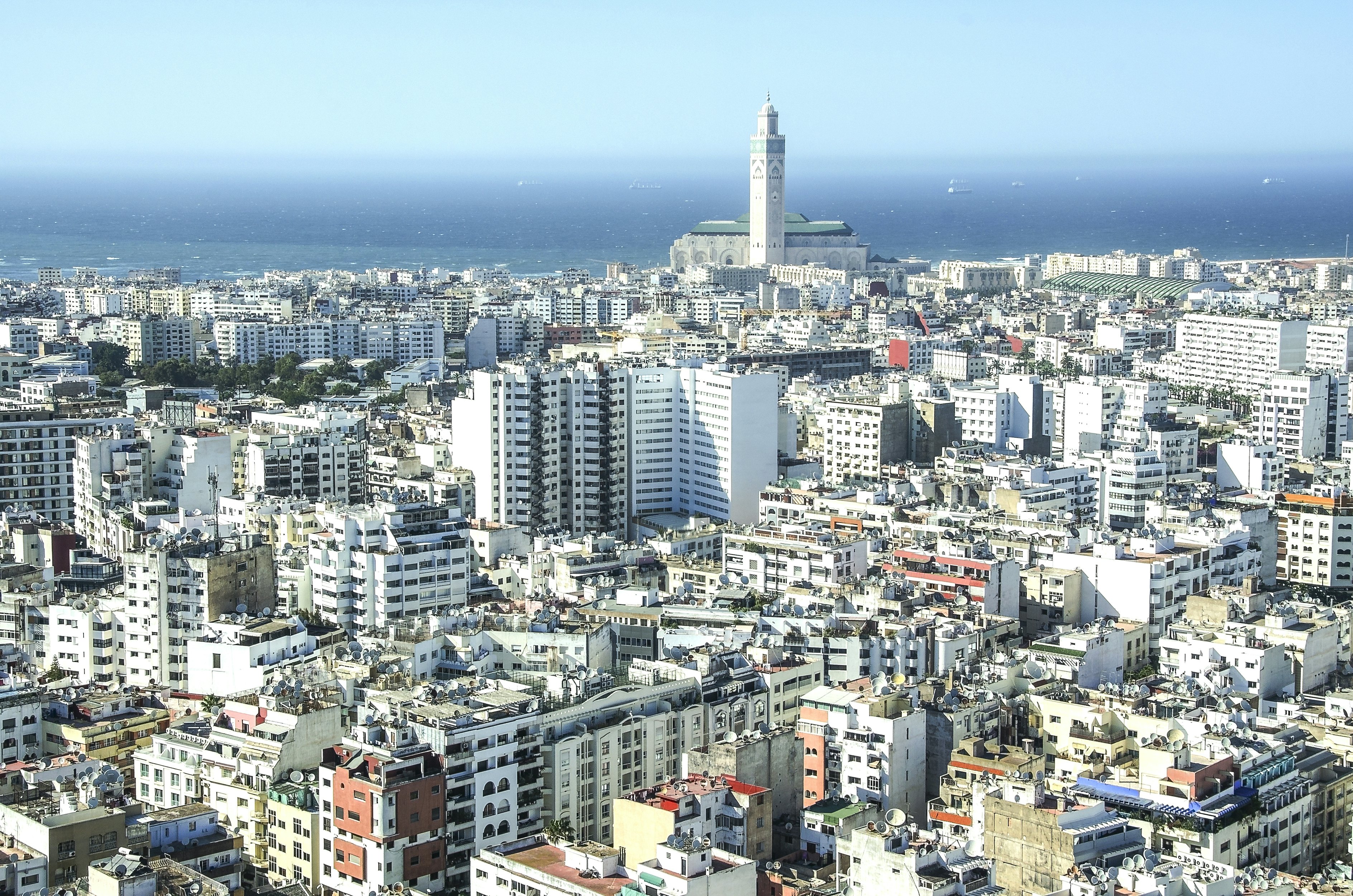
Getting around Morocco is straightforward, even if you don’t rent a car. The country boasts an excellent train network, including Africa’s first high-speed rail, Al Boraq, which connects Casablanca and Tangier in just over two hours. A reliable and comfortable bus system also links towns and villages across the country. For smoother Morocco travel, book your train or bus tickets a day or two in advance to secure your preferred schedule. As for driving, navigating busy cities like Casablanca and Marrakesh is best left to locals.
2. If you do drive, stay safe by following these rules of the road
In Morocco, drivers keep to the right-hand side of the road, and seatbelts are legally required, though some older taxis may not have them. Car horns are used frequently, not aggressively, but as a practical form of communication.
Be alert for pedestrians, bicycles, motorcycles, and animals approaching from all directions. Night driving is best avoided, as some vehicles may not use headlights. Pay attention to speed limits and roundabouts, which often have traffic lights. If you’re stopped for speeding or other infractions, police fines are commonly paid in cash—typically between Dh150 (US$16) and Dh300 (US$33)—rather than visiting a police station.
3. Enhance your trip by booking professional guides
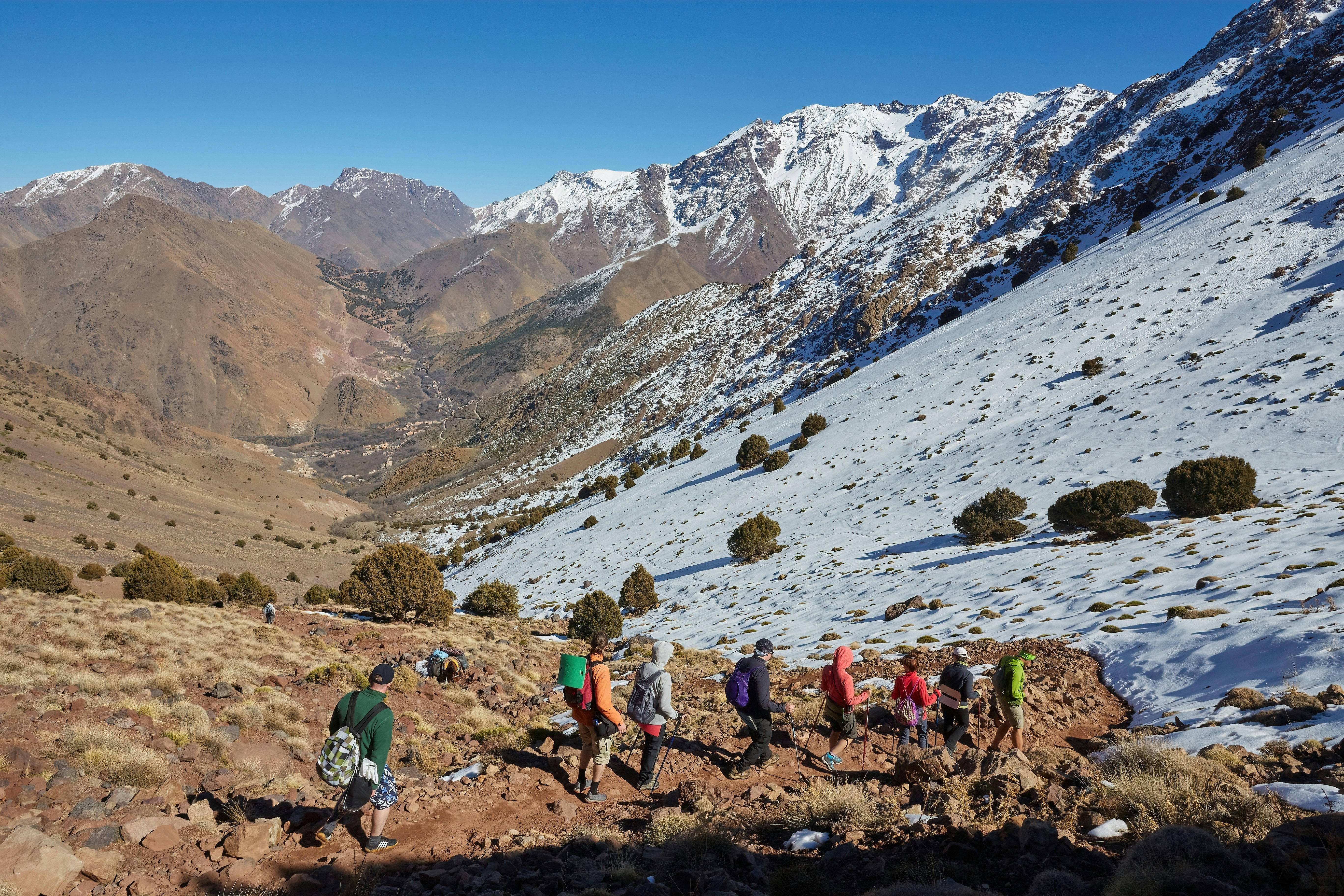
To make the most of your Morocco trip, hire a guide with in-depth local knowledge who speaks your language. In cities, ask your hotel, riad, or the local tourism office for recommendations for licensed guides. For surfing adventures, verify qualifications through the ISA directory. If you plan to hike Mt Toubkal in the High Atlas, a licensed hiking guide is required—check details with the Bureau des Guides to ensure a safe and rewarding trek.
Etiquette rules and cultural traditions in Morocco
1. Practice the art of bargaining for shopping in souqs
Haggling is an integral part of the shopping experience in Morocco. Try to stay patient—the goal is for both buyer and seller to feel they’ve agreed on a fair price.
For larger purchases, do your research, set a target price, or compare multiple vendors before committing. Sometimes sellers suggest “pay what you feel,” so if you’re unsure, ask questions: How many hours went into making it? Where did the materials come from, and at what cost?
Be aware that many souqs sell imitation products. Most locals aren’t concerned with brand authenticity—they’re focused on getting the best price for popular items like the latest shoes or fashion trends.
2. Show respect for Islam and the king
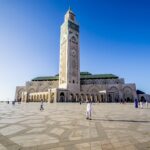
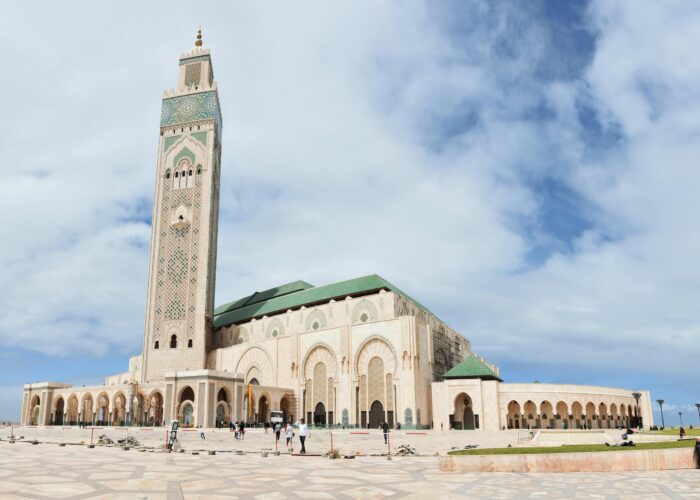
The words “God, king, and country” are visible on hills throughout Morocco. Islam is the state religion, and Islamic rules govern personal matters much like civil law does elsewhere. It is illegal to speak disrespectfully about religion or the king. Non-Muslims generally cannot enter mosques or cemeteries, with the exception of the Hassan II Mosque in Casablanca. Friday is a holy day nationwide, and many Moroccans take time off in the afternoon to attend the mosque and share couscous with family. If you plan to visit a specific location on a Friday, check opening hours in advance.
The holy month of Ramadan and Eid celebrations provide a unique cultural experience, but be aware that many businesses and attractions may be closed during these periods.
3. The dress code depends on where you are
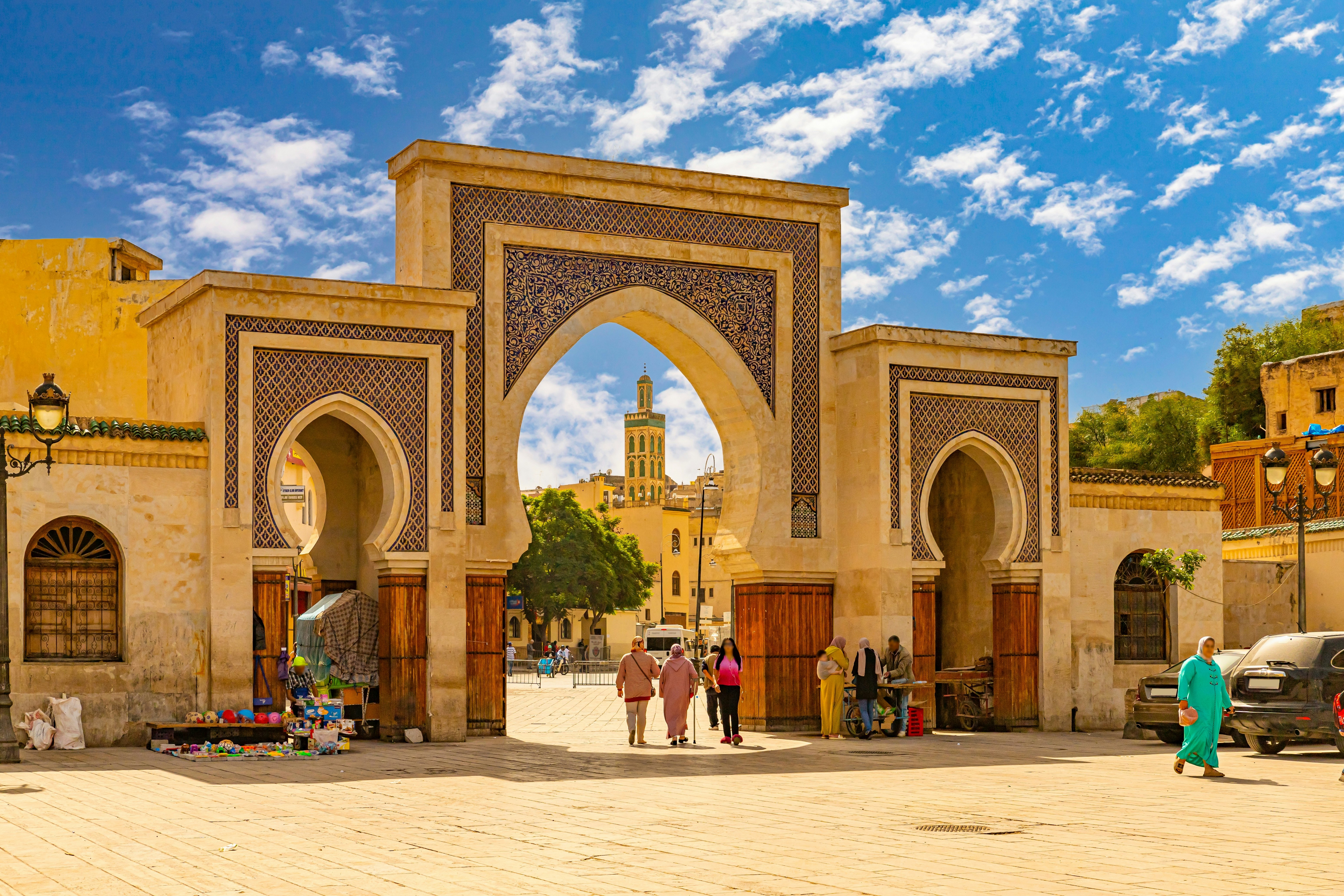
When visiting the Hassan II Mosque and other religious sites in Morocco, both men and women should cover from shoulders to knees. Dressing modestly in cities and towns helps avoid unwanted attention. While bars and nightclubs are more relaxed, in rural areas it’s important to respect local customs by covering up.
At Moroccan beaches, casual clothing such as shorts, dresses, tank tops, and swimwear—including bikinis—is acceptable. Be sure to pack comfortable shoes for uneven streets and a scarf to cover your shoulders when needed.
4. Ask before taking photos of people
Wherever you travel in Morocco, always ask permission before photographing people. Many locals are happy to be photographed, but some may decline or request a small fee. Avoid taking pictures of military or government buildings. Using drones is prohibited without special authorization from Moroccan authorities.
5. Try not to react to the hassle
If street vendors approach you with goods you don’t want, it’s perfectly fine to ignore them—there’s no need to be polite to every seller. Often, by not reacting, they will simply lose interest and walk away.
In some areas, you may encounter unsolicited comments or, in rare cases, inappropriate behavior. Shouting “Police!” usually discourages such behavior. In Marrakesh, doing so may also alert undercover tourist police, who patrol popular areas to ensure visitor safety.
6. Alcohol is sold in certain shops
Although Islamic law prohibits alcohol, it is widely available in Morocco at licensed wine shops, international grocery stores, and select hotels. Keep in mind that not all bars and restaurants serve alcoholic beverages, so check in advance if this is important for your trip.

7. Eat with your right hand
Moroccan cuisine, including tagines, couscous, and grilled fish, is traditionally eaten with bread using your right hand. The left hand is generally considered unclean, as it is traditionally reserved for personal hygiene. Following this custom shows respect for Moroccan culture and dining etiquette.
8. It’s normal to get lost when exploring, but ask for help if you need
Getting lost can be part of the fun when exploring Morocco, with its unmarked roads, winding souq alleys, and areas with no cell phone signal. Stay relaxed but aware of your surroundings, and don’t hesitate to ask for directions when needed. In medinas, a helpful tip is that hexagon-shaped street signs indicate dead ends, while square signs mark through streets.
Health and safety in Morocco
1. Don’t drink the tap water
Tap water in Morocco is not safe for drinking. Travelers should carry a reusable water bottle with a built-in filter to stay hydrated and reduce plastic waste while exploring the country.
2. Bring tissues for public toilets
Some public toilets in Morocco do not provide toilet paper. If you’re not accustomed to using water for cleansing, carry a small pack of tissues along with antibacterial hand gel or wipes to stay clean and hygienic while traveling.
3. Street cats and dogs are everywhere and part of the community
It’s best to avoid feeding street animals directly from your table, as they may linger around. Instead, offer leftovers elsewhere on the street. If you love animals, consider supporting local rescue centers during your stay—either with a donation or by volunteering your time.