Morocco’s ultimate bucket list includes desert camping, exploring imperial cities (Marrakech, Fes), the Blue City of Chefchaouen, hiking the Atlas Mountains, Hassan II Mosque, Ait Benhaddou, and tasting tagine and mint tea. Experiences range from souk shopping and hammams to camel rides, sandboarding, and ancient Roman ruins.
Best Things to Do In Morocco 2026 , From wandering through UNESCO World Heritage sites to sharing mint tea with Berber families beneath star-studded desert skies, Morocco delivers adventures that transform casual visitors into devoted admirers. Here is the ultimate bucket list from Vivid Morocco Tours featuring the best experiences in Morocco that promise to make your journey truly unforgettable. Let’s dive in!
1. Lose Yourself in Marrakech’s Jemaa el-Fnaa Square
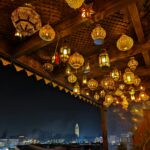
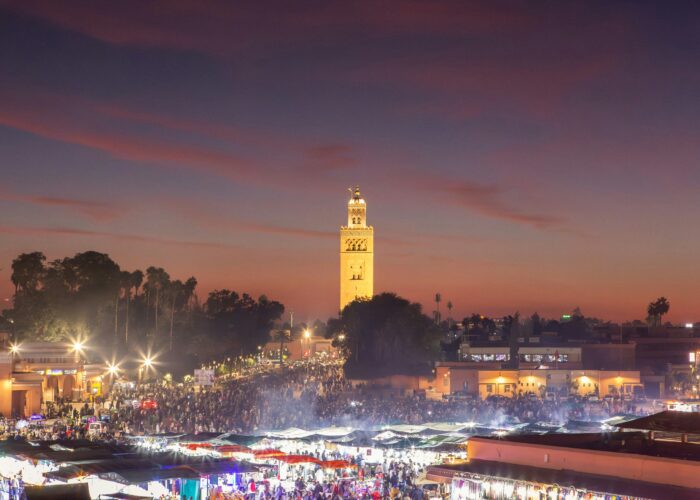
Jemaa el-Fnaa square is a UNESCO World Heritage site and the pulsing heart of Marrakech’s culture and nightlife. By day, it is a bustling marketplace with juice stalls and snake charmers, but it’s the magical transformation at sunset that is the top draw for visitors. As evening falls, the square becomes an immense open-air restaurant and theatre, with smoke from countless food stalls filling the air, alongside the hypnotic sounds of Gnaoua musicians, storytellers, acrobats, and dancers. Tourists are most interested in experiencing this vibrant sensory overload, sampling the diverse street food like tagines and Harira soup, and watching the traditional performers from one of the many surrounding rooftop cafes for a panoramic view of the spectacle.

Start your exploration in the late afternoon, as the square comes alive with energy. Observe henna artists crafting intricate designs, enjoy the rhythms of traditional Gnawa musicians, and savor freshly squeezed orange juice from vendors who have honed their skills over decades. As night falls, food stalls appear, offering everything from grilled meats to fragrant snail soup—an authentic street-food experience that captures the essence of Moroccan culture.
The surrounding narrow streets wind into the old medina’s souks, where skilled artisans create leather goods, intricate metalwork, and vibrant textiles. It’s common to see young boys learning these traditional crafts beside master artisans, preserving centuries-old skills for future generations. Here, bargaining with each shop owner becomes part of the cultural experience, and every exchange offers a deeper glimpse into Morocco’s rich history and traditions.
2. Experience a Night in the Sahara Desert
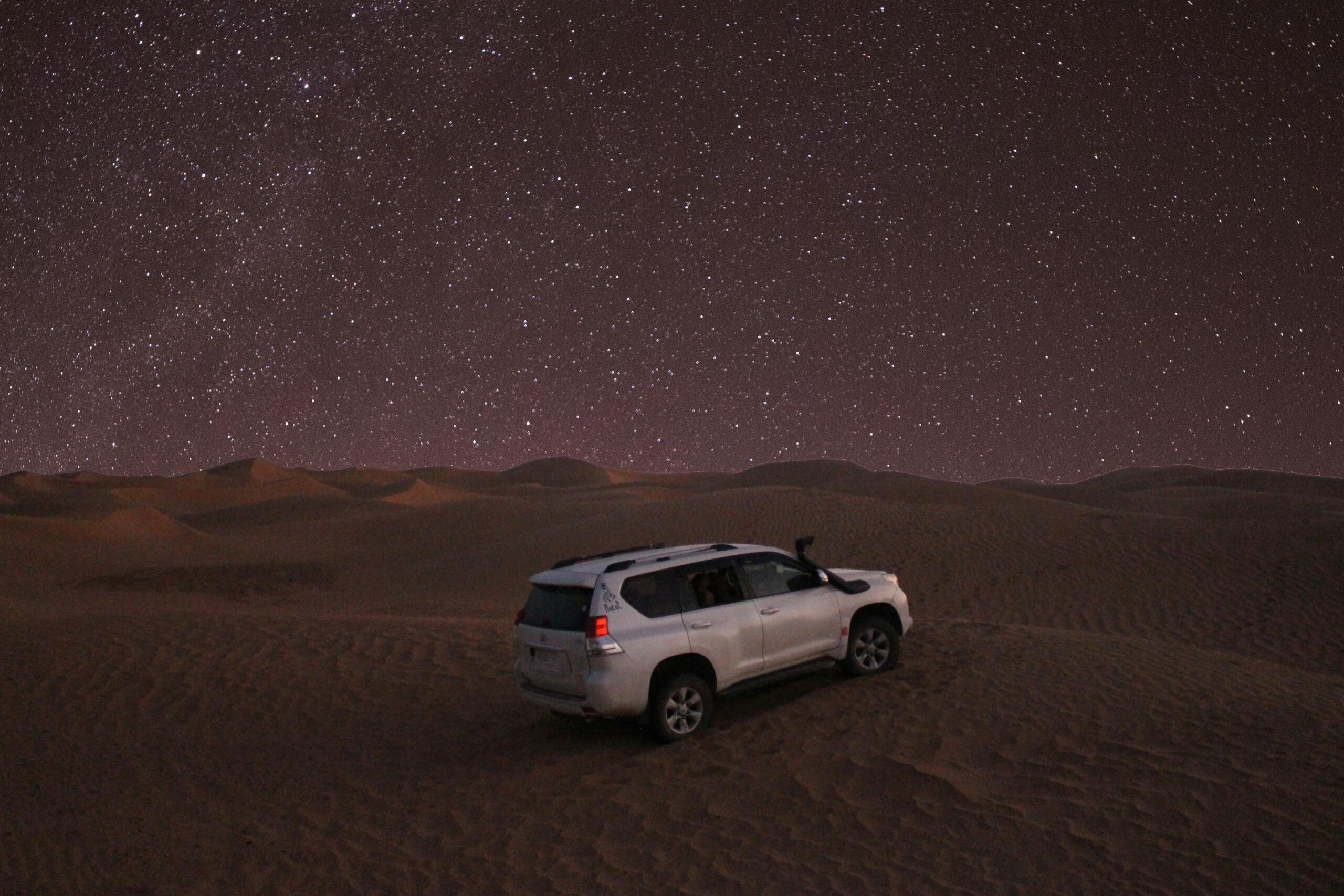
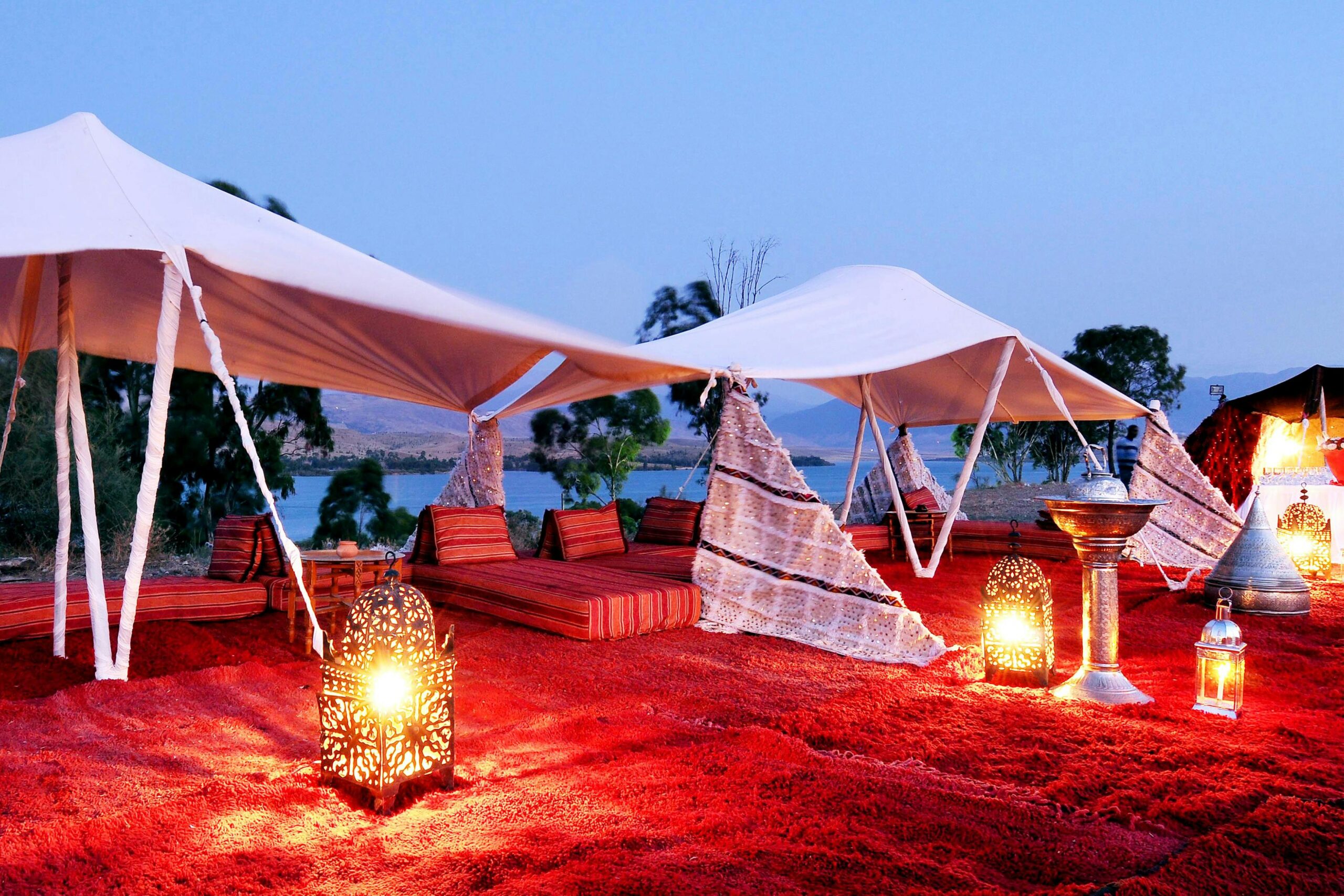
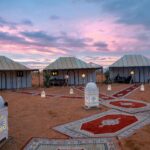
Experiencing a night in the Sahara Desert, often part of 2-3 day tours from Marrakech or Fes, involves a journey through Atlas Mountains, Ait Benhaddou, and Draa Valley to reach Zagora or Merzouga dunes, featuring a sunset camel trek, traditional Berber dinner and music around a campfire, sleeping in tents (standard or luxury), and witnessing a sunrise before returning, offering unforgettable starry skies and desert tranquility.
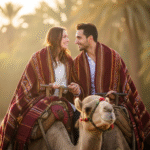
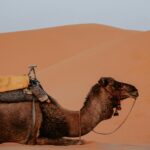
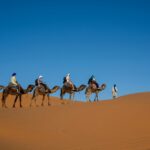
The adventure usually begins with a camel trek at sunset, as the sand dunes glow like molten gold beneath the darkening sky. Gently swaying atop your camel, you’re wrapped in the vast silence of the desert, broken only by the soft rhythm of hooves on sand and the hushed voices of fellow travellers.

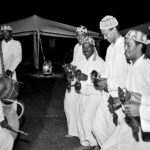
Your journey leads to a traditional desert camp, where Berber families share their nomadic heritage through music, storytelling, and warm hospitality. Spending the night beneath the Sahara’s star-filled sky—untouched by city lights—is among the world’s most profound experiences. The silence is absolute, the stars so countless they feel within reach, and the connection to something timeless and eternal is deeply moving.
Consider spending three nights in the desert to fully experience its changing moods. Early mornings offer the chance to climb the highest dunes and watch the sunrise wash the landscape in vivid oranges and purples—a moment that will stay etched in your memory forever.
3. Explore the Blue Streets of Chefchaouen
Exploring Chefchaouen’s blue streets means wandering its tranquil, labyrinthine medina, a maze of vibrant blue alleyways filled with artisan shops, fragrant soap stalls, and unique photo spots, offering a peaceful escape with stunning mountain views, local crafts like rugs and pottery, and delicious Moroccan food, all best experienced early morning to avoid crowds and embrace the city’s serene, magical vibe.

Every corner of Chefchaouen offers a perfect photo opportunity, yet the town’s appeal goes far beyond its Instagram-worthy streets. The local community preserves a laid-back atmosphere that invites unhurried exploration and quiet observation. Stroll through tranquil alleys where daily life unfolds against the backdrop of the town’s iconic blue walls.
Perched high in the Rif Mountains, the town offers spectacular views and serves as an ideal base for hiking adventures. Visit the kasbah in the main square, admire the exterior of the Grand Mosque (as non-Muslims cannot enter), and be sure to try the local goat cheese—a regional specialty that reflects the area’s Berber heritage.
4. Navigate the Ancient Medina of Fez el Bali
Fes el-Bali is the ancient, walled heart of Fez, Morocco, considered the world’s largest living medieval city and a UNESCO World Heritage site, famous for its sprawling labyrinth of over 9,000 car-free, cobblestone alleys, historic madrasas (like Al-Attarine), mosques, tanneries, and traditional artisan workshops, representing a preserved medieval Islamic urban culture and continuous way of life established by the Idrisid dynasty in the late 8th century.
Fez el Bali, the world’s largest car-free urban area, stands as Morocco’s spiritual and intellectual heart. This UNESCO World Heritage site is home to the world’s oldest continuously operating university and offers visitors an extraordinary window into medieval Islamic civilisation.
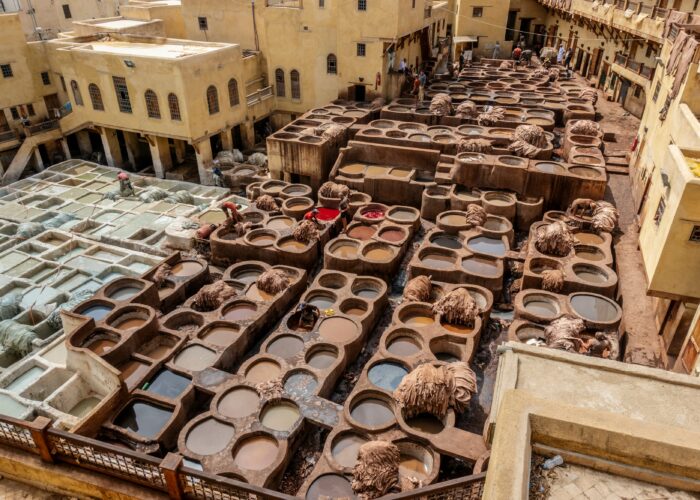
Navigating the medina’s labyrinth of narrow alleys demands patience—and often the help of a local guide—but the rewards are considerable. The old town pulses with the energy of traditional craftsmanship, where tanners continue to use centuries-old methods. The renowned Chouara Tannery delivers a full sensory experience that captures the essence of Morocco, though accepting the sprig of mint offered to soften the aroma is highly recommended.

Founded in 859 AD, the University of Al Quaraouiyine allows non-Muslims to admire its stunning architecture from designated viewing areas. Its intricate geometric patterns and calligraphy showcase centuries of Islamic artistic mastery. Exploring Fez’s narrow streets becomes an adventure in itself, with every turn revealing hidden workshops, traditional bakeries, and architectural gems that have stood for nearly a millennium.
5. Trek the High Atlas Mountains
The High Atlas Mountains are North Africa’s highest range, running across central Morocco, separating the coast from the Sahara, and featuring dramatic peaks like Mount Toubkal (4,167m). Known by locals as ‘Idraren Draren’ (Mountains of Mountains), it’s a popular trekking destination with deep valleys, traditional Berber villages (like Imlil), and stunning red clay landscapes, offering a blend of rugged adventure and rich cultural experiences.
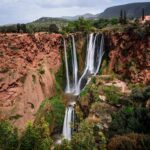
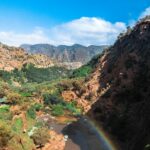
For many visitors, the Ourika Valley offers an accessible introduction to the beauty of the Atlas Mountains. This popular day trip from Marrakech follows a river valley dotted with traditional Berber villages, where terraced gardens cling to steep slopes and waterfalls tumble from rocky heights.
The village of Imlil serves as a base camp for Toubkal expeditions, yet even non-climbers can appreciate its dramatic setting and the chance to engage with local Berber communities. Mountain guides bring generations of knowledge about the peaks, valleys, and traditional mountain culture. Whether you’re scaling Toubkal or simply strolling through the valley, the Atlas Mountains offer a deep connection to Morocco’s natural beauty and enduring traditions.
6. Discover the Wind City of Essaouira
Essaouira, également connue sous son ancien nom portugais de Mogador, est une charmante ville côtière marocaine réputée pour sa médina classée au patrimoine mondial de l’UNESCO et son atmosphère détendue. Balayée par les vents de l’Atlantique, elle est idéale pour les amateurs de sports nautiques et offre une bouffée d’air frais par rapport aux grandes villes impériales.
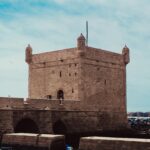
The old medina’s ramparts provide breathtaking views of the ocean, while the harbour hums with the fishing activity that has sustained the city for centuries. Essaouira’s coastal winds attract windsurfers and kitesurfers, and the expansive beach offers ample space for both water sports enthusiasts and those looking to unwind.
The city’s rich artistic heritage draws musicians and artists from across Morocco and beyond. American expatriate writer Paul Bowles spent much time here, and his novel The Sheltering Sky captures a sense of Morocco’s enduring mystique. Wander along the beach at sunset, explore the medina’s art galleries, and savor fresh seafood as fishing boats return with their daily catch.
7. Marvel at the Hassan II Mosque in Casablanca
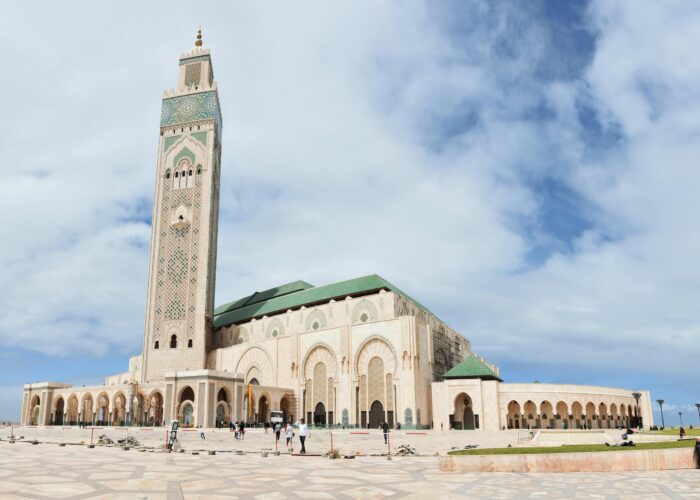
The Hassan II Mosque in Casablanca is a stunning architectural masterpiece and a major cultural landmark, famous for its unique location partially over the Atlantic Ocean and for having the world’s second tallest minaret. It is one of the few mosques in Morocco open to non-Muslim visitors, exclusively through guided tours.

The mosque’s minaret rises 210 metres, making it the world’s second-tallest, while its prayer hall can hold 25,000 worshippers. Part of the structure extends over the Atlantic Ocean, giving the impression that it floats on the water at high tide.
Interior tours showcase remarkable Islamic artistry, from intricate geometric stone carvings to grand chandeliers and hand-woven carpets. Every detail reflects the pinnacle of Moroccan craftsmanship, with artisans from across the country contributing their expertise to create this testament to Islamic faith and Moroccan identity.
8. Explore the Roman Ruins of Volubilis
Volubilis is a remarkably preserved ancient Roman city in Morocco, a UNESCO World Heritage site known for its stunning mosaics, triumphal arch, and ruins showcasing Roman urban life on the empire’s edge, flourishing from the 3rd century BC to its eventual abandonment, and serving as a crucial cultural crossroads between Roman, Berber, and later Islamic influences, making it a must-see historical site near Meknes and Fez.
The site’s mosaics are among the finest examples of Roman art in Africa, depicting scenes from mythology as well as everyday life. The House of Orpheus boasts particularly striking mosaics of Orpheus enchanting animals with his lyre, while the House of the Knight features intricate geometric designs that have endured for nearly two millennia.
Strolling through Volubilis is like stepping back two thousand years, when the city thrived as a commercial hub linking Roman Africa with sub-Saharan trade routes. Archaeological evidence indicates continuous habitation from the Neolithic period through the Islamic era, making Volubilis a fascinating window into Morocco’s layered history, far beyond the Islamic civilisation that dominates its present-day ruins.
9. Experience Traditional Moroccan Cuisine
Moroccan cuisine is a rich, aromatic blend of Berber, Arab, Andalusian, and Mediterranean influences, famous for fragrant spices (saffron, cumin, cinnamon) and iconic dishes like slow-cooked Tagines, fluffy Couscous, and sweet-savory Pastilla, often featuring lamb, chicken, preserved lemons, olives, and dried fruits, with mint tea symbolizing hospitality and bread serving as a staple utensil. Key ingredients include vegetables, nuts, spices, and fresh herbs, making for complex flavors in dishes served during the main midday meal, often accompanied by salads and ending with sweets.
Moroccan cuisine is among the world’s most celebrated, blending Arab, Berber, Mediterranean, and sub-Saharan African influences into flavors that are uniquely satisfying. Each region offers specialties that showcase local ingredients and cultural traditions.
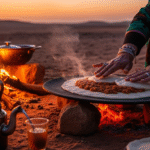
Sharing a tagine with Moroccan families offers a window into both culinary traditions and social customs. These slow-cooked stews blend meat or vegetables with preserved lemons, olives, and aromatic spices to create rich, satisfying flavors. Experiencing fruit Moroccan-style—often peeled and shared communally—adds another layer to this cultural immersion.
In Marrakech’s Jemaa el-Fnaa, evening food stalls offer authentic street food that delivers both incredible flavors and great value. Sample pastilla—a sweet and savory pastry—savor mechoui, slow-roasted lamb, and finish with traditional mint tea served in ornate glasses. Many riads and hotels also offer cooking classes, allowing visitors to learn classic dishes while gaining an appreciation for the time and skill behind authentic Moroccan cuisine.
10. Stay in a Traditional Riad
A traditional Riad is an inward-focused Moroccan house or palace built around a central, open-air courtyard or garden, often with a fountain, creating a private, cool sanctuary from the bustling medina outside; it’s characterized by rich zellige tilework, carved wood, serene ambiance, and rooms that open onto the courtyard, serving as stunning guesthouses that offer an authentic, peaceful, and historically charming experience.
Staying in a traditional riad turns accommodation into a cultural experience. These former merchant homes, built around central courtyards, showcase classic Moroccan architecture while offering an intimate glimpse into the lives of wealthy families of the past.

Most riads feature exquisite tilework, carved plaster, and tranquil courtyards that offer a peaceful escape from the bustling medina streets. Many have been transformed into boutique hotels, preserving traditional aesthetics while providing modern comforts. Rooftop terraces often offer stunning views over medina rooftops and, in some cases, of nearby mountains or the ocean.
The personalized service in riads often includes insider tips on local attractions, restaurant recommendations, and cultural insights that enrich your entire Moroccan experience. Staying in a riad also supports local communities and helps preserve these architectural treasures for future generations.
11. Shop in Traditional Souks
Traditional souks are vibrant, historic marketplaces in the Arab world (Middle East & North Africa) known for their labyrinthine alleys, specialized sections (spices, textiles, metalwork), sensory overload of smells and sounds, haggling culture, and deep ties to local life, offering authentic crafts, food, and a glimpse into centuries-old commerce, with Marrakech, Fes, and Dubai featuring famous examples.
Morocco’s souks are among the world’s most vibrant marketplaces, where traditional craftsmanship thrives alongside modern commerce. Each souk specializes in specific goods—leather in one area, textiles in another, metalwork in a third—creating a lively, organized chaos that rewards patient exploration.
Bargaining is an integral part of the cultural experience, with exchanges often turning into genuine conversations about family, traditions, and life in Morocco. Learning basic Arabic or French phrases shows respect and can lead to warmer interactions and sometimes even better prices.

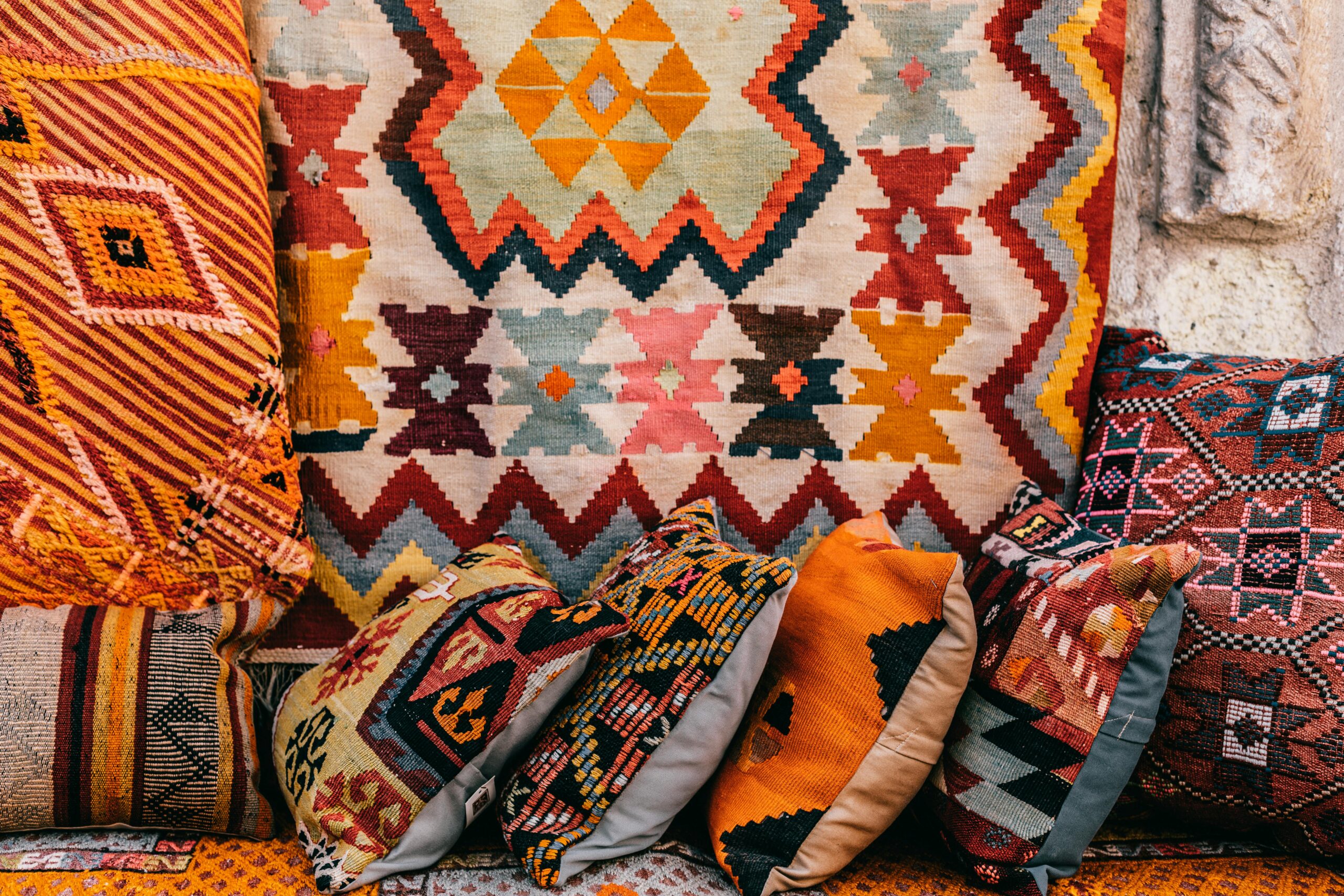
Seek out traditional Moroccan carpets, hand-tooled leather goods, argan oil products, ceramics, and silver jewelry. Many workshops let visitors watch artisans at work, offering a glimpse into techniques passed down through generations. Keep in mind that for many shop owners, these interactions are both a livelihood and a form of social engagement, not just a commercial transaction.
12. Visit Berber Villages in the Atlas Mountains
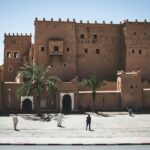
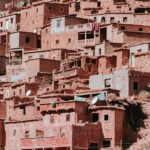
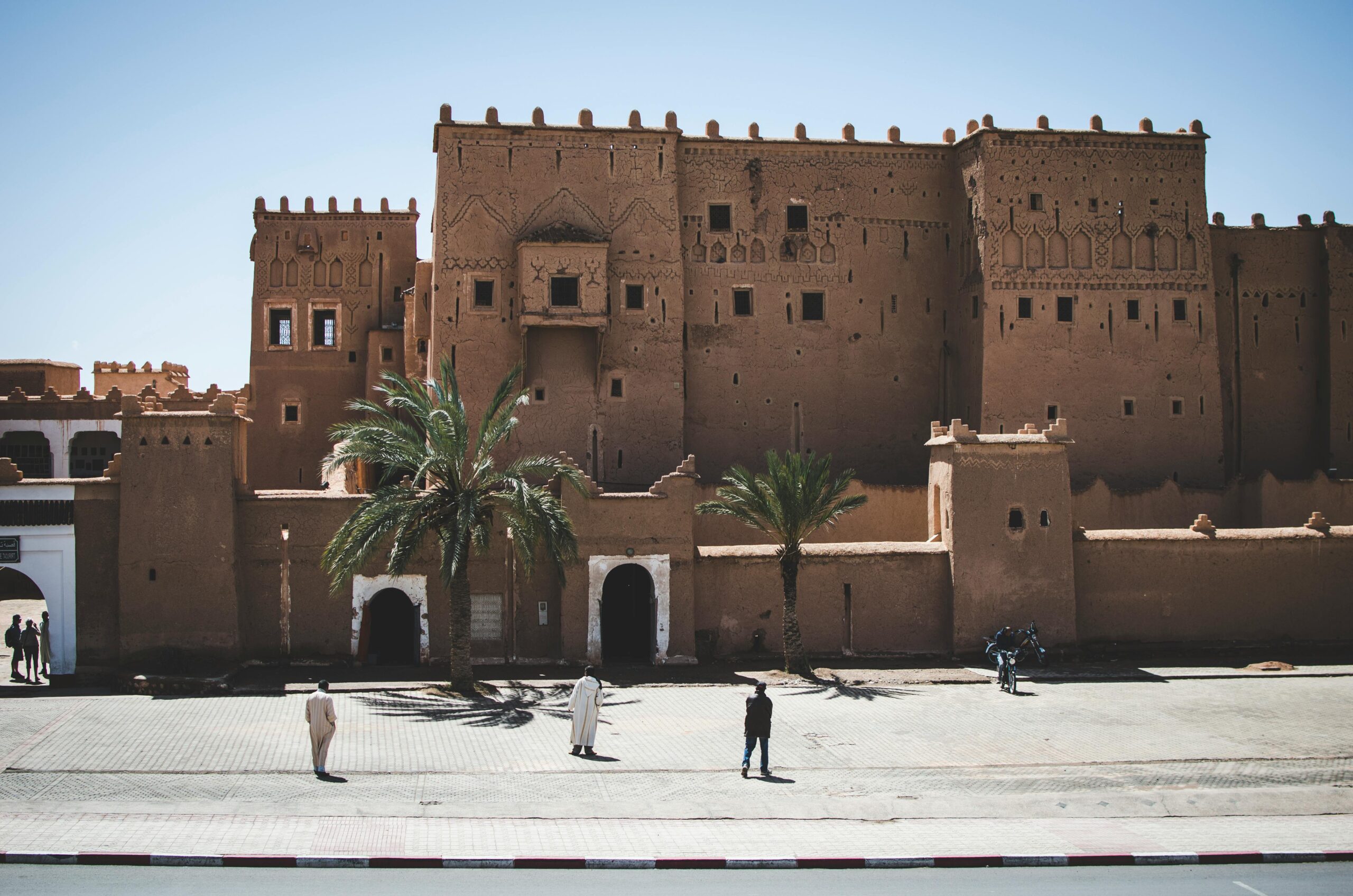
Berber villages are traditional, culturally rich communities in Morocco’s Atlas Mountains, Sahara, and valleys, known for their unique mud-brick architecture (like Aït Benhaddou), strong hospitality, and ancient customs like carpet weaving and communal bread baking, offering visitors a glimpse into indigenous Berber life through trekking, local guesthouses, and experiencing authentic culture.
Atlas Mountain villages provide some of Morocco’s most authentic cultural experiences. Unlike the tourist-centered medinas of major cities, these communities preserve lifestyles deeply connected to the natural environment and traditional Berber culture.
Accepting invitations to share meals with Berber families offers a window into mountain hospitality and traditional ways of life. These experiences are often more meaningful than a museum visit, providing genuine cultural exchanges that enrich both visitors and hosts.
Many villages warmly welcome respectful visitors eager to learn about local customs, traditional architecture, and sustainable farming practices that have sustained mountain communities for centuries. Visits often include demonstrations of traditional crafts, explanations of agricultural techniques adapted to mountain life, and opportunities to purchase locally made products directly from their creators.
13. Enjoy Moroccan Wine Tasting
Moroccan wine tasting offers a unique opportunity to explore a lesser-known but historically rich wine region, with most activities centered around the Meknes region and around major tourist cities like Marrakech and Fez.
Morocco’s wine industry surprises many visitors who don’t expect to find quality vintages in a predominantly Muslim country. The country’s Mediterranean climate and French colonial influence created a winemaking tradition that continues to thrive, particularly around Meknes and the Atlantic coast.
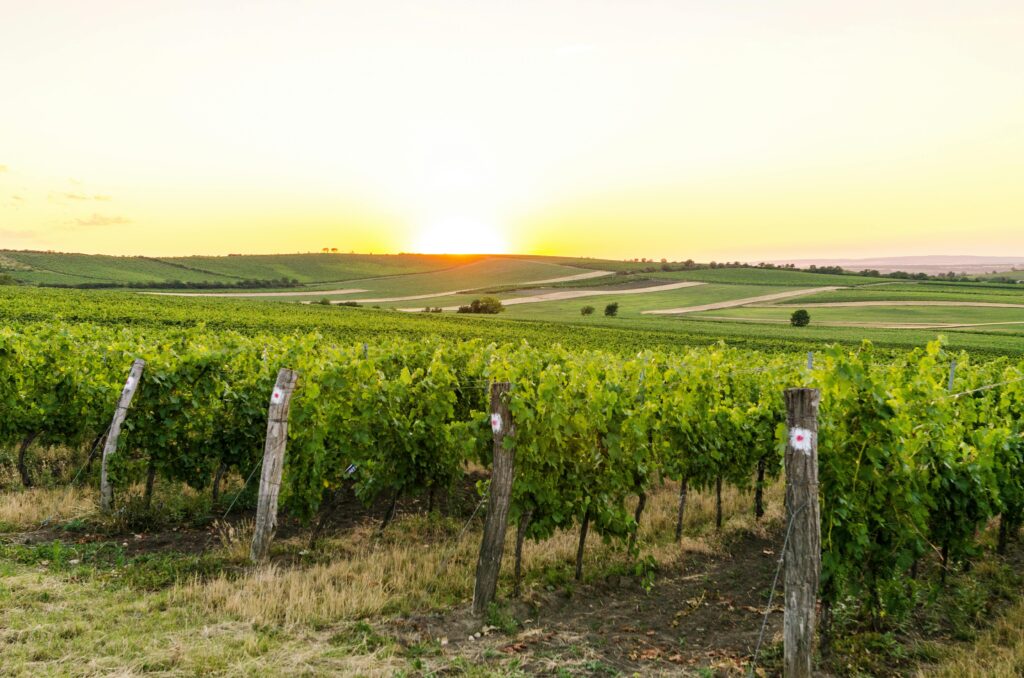
Regional wineries in Morocco offer tastings that showcase the country’s vinous potential, from crisp whites that pair perfectly with seafood to robust reds that complement traditional tagines. Many vineyards combine tastings with guided tours of their wine-making facilities, explaining how Moroccan winemakers adapt international grape varieties to local conditions.
Wine tasting in Morocco offers surprising cultural insights, highlighting the country’s diversity and the coexistence of different traditions within Moroccan society. Numerous excellent restaurants across Morocco feature extensive wine lists, showcasing local vintages alongside international selections.
14. Take a Day Trip to Coastal Towns
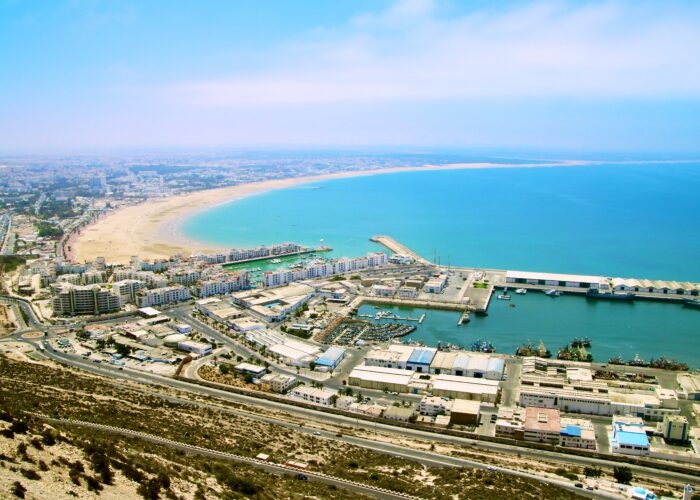
Morocco boasts diverse coastal towns, from the vibrant surf hub of Essaouira and the modern resort of Agadir, to the northern artistic charm of Asilah, the tranquil oyster lagoon of Oualidia, the laid-back surf scene of Taghazout, and the cosmopolitan gateways of Tangier, each offering unique vibes, historic medinas, fresh seafood, and water sports along its Atlantic and Mediterranean shores, notes Experience It Tours, Moroccanzest, and Not Just a Tourist, respectively.
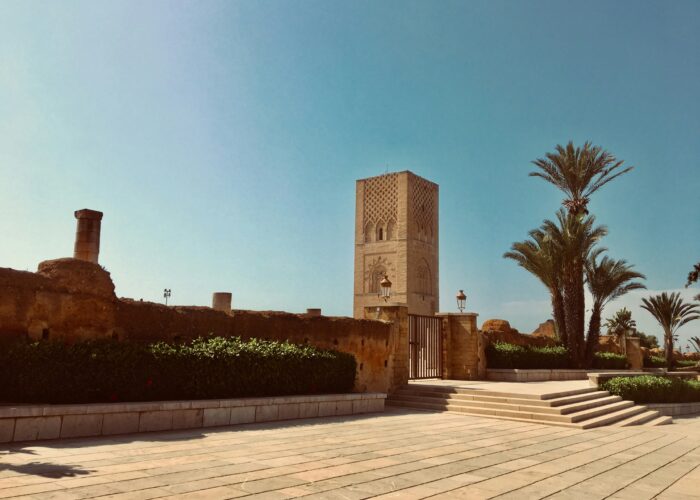
From Casablanca, take a trip to Rabat, Morocco’s capital, where modern government buildings sit alongside historical landmarks, including a UNESCO World Heritage medina. The city’s coastal location offers opportunities for relaxing beach walks and enjoying fresh seafood.
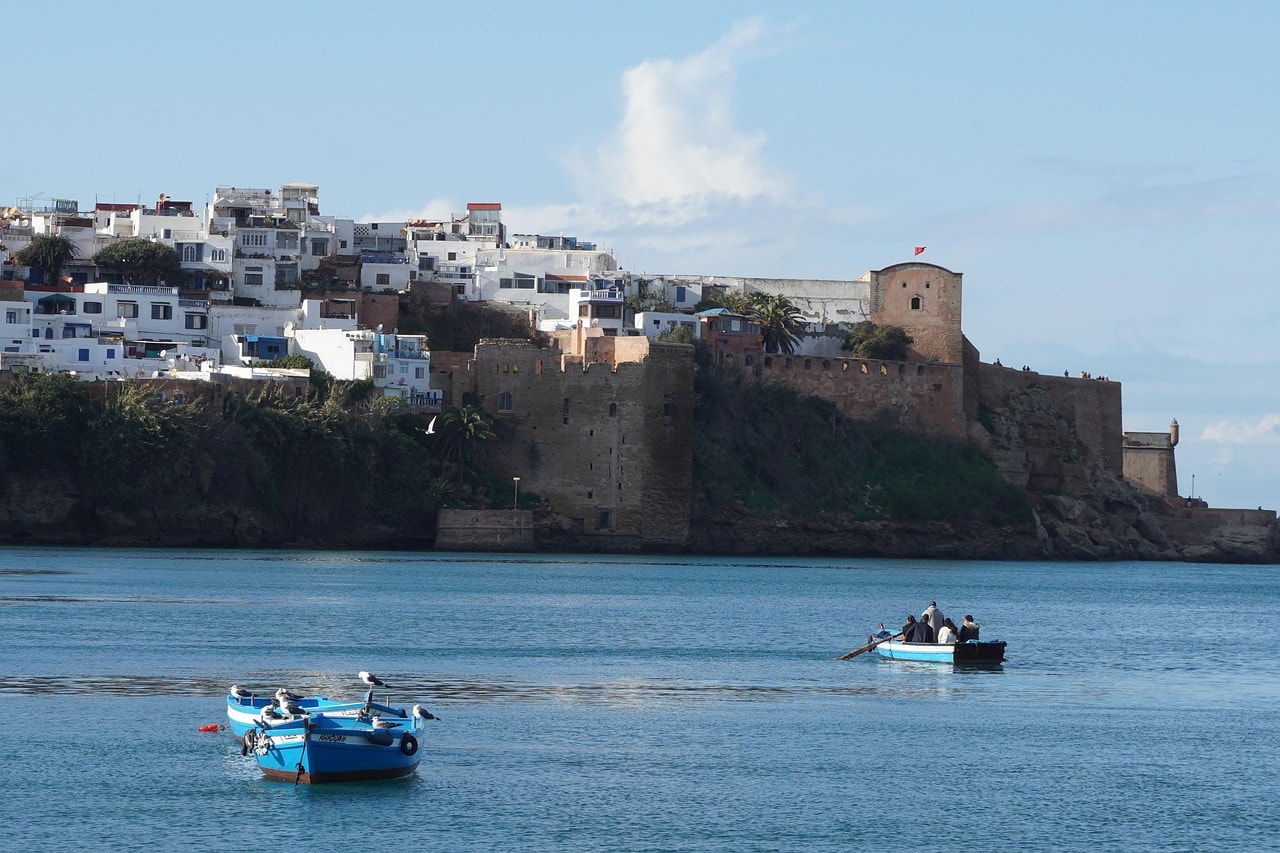
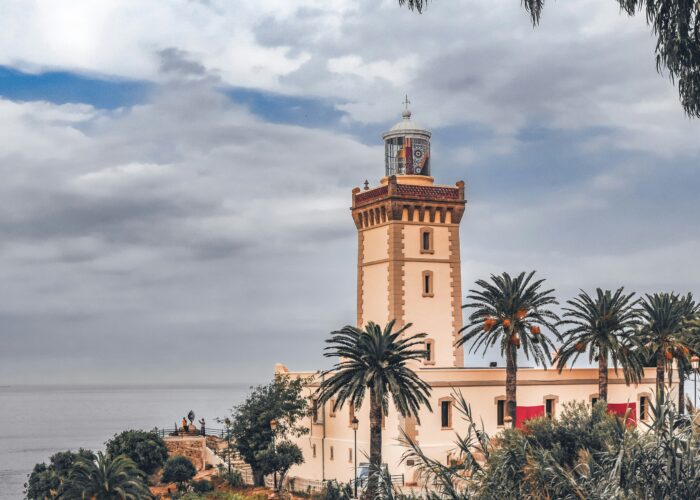
Further north, Tangier presents a distinctive blend of African and European influences, shaped by its proximity to Spain and its history as an international zone. The city’s medina offers stunning views across the Strait of Gibraltar, while its beaches draw both local families and international visitors seeking sun and surf.
These coastal excursions offer a contrast to desert and mountain adventures, highlighting different aspects of Moroccan culture shaped by maritime traditions and international connections.
15. Experience Local Festivals and Cultural Events
Local festivals and cultural events are vibrant celebrations of a community’s heritage, showcasing unique traditions through music, dance, food, art, and rituals, like India’s Holi, Japan’s Gion Matsuri, or Morocco’s Rose Festival, offering deep dives into local cultures, arts, and history for residents and travelers alike. These events foster community spirit and preserve cultural identity, featuring everything from massive performances to sacred rituals honoring deities or harvests.
Morocco’s calendar is filled with festivals and cultural events that offer extraordinary opportunities to experience the country’s rich heritage. These celebrations provide authentic glimpses into traditions that continue to play a vital role in community life.
The Marrakech Film Festival draws international celebrities and highlights both Moroccan and global cinema. Across the country, music festivals celebrate everything from traditional Berber music to contemporary fusion genres that blend Moroccan heritage with global influences.

Religious festivals offer especially meaningful experiences for respectful visitors. During Ramadan, daily life across the country shifts in rhythm, while Eid celebrations highlight community solidarity and traditional foods. Local communities often welcome interested visitors to observe—and sometimes participate in—these celebrations.
Regional festivals celebrate local products and traditions—such as date festivals in desert oases, almond blossom festivals in mountain valleys, and fishing festivals in coastal towns. These events offer opportunities to experience Morocco beyond the main tourist circuits while supporting local communities and preserving their traditions.
16. Take Cooking Classes in Marrakech
Marrakech offers many highly-rated, hands-on cooking classes, typically involving a market tour, a cooking session focusing on traditional Moroccan dishes like tagine, and a shared meal.
Learn to prepare traditional Moroccan dishes—such as tagines, couscous, and pastries—through hands-on cooking classes that offer deep insights into the country’s culinary heritage. Many riads and local families provide authentic experiences that begin with guided visits to traditional markets, where you’ll learn to select the finest ingredients, understand seasonal availability, and discover the art of spice blending in Moroccan cuisine.

These cooking experiences often begin in bustling souks, where local instructors—frequently women from Berber families who have passed down recipes through generations—teach participants how to identify quality produce, negotiate prices, and appreciate the cultural significance of various ingredients. You’ll discover that Moroccan cooking is as much about selecting the right ingredients as it is about mastering preparation techniques.
The hands-on cooking takes place in traditional kitchens, where participants learn to prepare tagines using authentic clay cookware, master the art of couscous—which requires both patience and technique—and create delicate pastries like chebakia and gazelle horns to accompany mint tea ceremonies. These classes reveal that Moroccan cuisine is a sophisticated fusion of Berber, Arab, Andalusian, and Mediterranean influences that have evolved over centuries.
17. Windsurf or Kitesurf in Dakhla
Dakhla, Morocco is a world-renowned destination for kitesurfing, offering a vast, shallow lagoon with consistent wind, ideal for all skill levels from beginners to advanced riders. The primary kitesurfing area is the Dakhla lagoon, with several distinct spots for different conditions.
Venture to Morocco’s southern coast for world-class windsurfing and kitesurfing in Dakhla, a mecca for water sports enthusiasts from around the globe. The region’s unique geography creates a vast lagoon protected from Atlantic swells while maintaining consistent trade winds, providing optimal conditions for both beginners and experienced practitioners.

The lagoon’s shallow, warm waters stretch for kilometres, offering ideal learning conditions for beginners while presenting challenges for advanced riders looking to refine their technique. Professional instructors—many of whom are international competitors who have made Dakhla their training base—provide lessons tailored to all skill levels, from complete beginners to advanced riders aiming to master new tricks.
Dakhla’s wind conditions are exceptional, with consistent trade winds blowing at 15–25 knots for over 300 days a year—an unusually reliable pattern for a water sports destination. Thermal winds, generated by temperature differences between the Sahara Desert and the Atlantic Ocean, create predictable daily patterns, allowing riders to plan their sessions with confidence.
18. Watch the Sunset from Café Maure in Rabat
Le Café des Oudayas (anciennement Café Maure) est une institution emblématique de Rabat, réputée pour son cadre historique et sa vue imprenable sur l’estuaire du Bouregreg. End your day with mint tea and panoramic views of the Atlantic from a clifftop café in the capital’s Kasbah, where generations of locals and visitors have gathered to witness one of Morocco’s most spectacular daily spectacles. The tranquil setting provides a peaceful escape from the urban bustle while showcasing Morocco’s coastal beauty in a traditional environment that has remained largely unchanged for decades.

Café Maure occupies a prime location on the ramparts of the Kasbah of the Udayas, where medieval fortress walls meet the endless Atlantic horizon. Its terraced seating, arranged on multiple levels carved into the clifftop, ensures every table enjoys unobstructed ocean views while preserving the intimate atmosphere that has made this venue beloved by both locals and visitors.
19. Go Sandboarding in Erg Chebbi
Sandboarding in Erg Chebbi, near Merzouga, Morocco, is a popular desert adventure where you glide down massive, golden sand dunes on a board, offering thrills for all levels, often combined with camel treks and desert camps for sunrise/sunset views. You can rent boards and guides locally, with options to combine it with camel rides for an unforgettable Sahara experience, soaking in stunning orange sands against blue skies.
Slide down the towering sand dunes of the Sahara on a sandboard, enjoying the thrill of desert sports amid one of the world’s most iconic landscapes. The vast Erg Chebbi dunes near Merzouga offer some of North Africa’s best sandboarding opportunities, with slopes suited to both beginners and experienced riders seeking adrenaline-pumping descents.

The experience begins with a challenging climb to the summit of the dunes, often undertaken in the early morning when temperatures are cooler and the sand offers better grip. As you ascend, panoramic views of the desert unfold dramatically—endless waves of golden sand stretching to the horizon, punctuated only by distant oases and the occasional camel caravan.
20. Explore Meknes and its Imperial Monuments
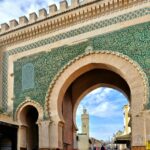
Meknes, one of Morocco’s Imperial Cities, offers a journey into its grand past as Sultan Moulay Ismail’s lavish capital, featuring massive fortifications, grand gates like the iconic Bab Mansour, vast Royal Stables (Heri es-Souani), the serene Mausoleum of Moulay Ismail, bustling El Hedim Square, and the historic medina, all recognized by UNESCO for their unique blend of Moroccan and European influences, creating a “Versailles of Morocco” atmosphere.
Explore Morocco’s often-overlooked imperial city, home to massive gates, royal stables, and underground granaries. Meknes offers impressive historical sites with fewer crowds than other imperial cities, making it ideal for visitors seeking an authentic historical experience without the tourist congestion found in Marrakech and Fez.

Founded in the 11th century by the Almoravids, Meknes reached its zenith under Sultan Moulay Ismail in the late 17th and early 18th centuries. This ambitious ruler transformed Meknes into a capital that rivalled Versailles, creating architectural marvels that continue to inspire awe three centuries later. His grand vision produced monuments of staggering scale and artistry, reflecting the power and sophistication of Morocco’s Alaouite dynasty.