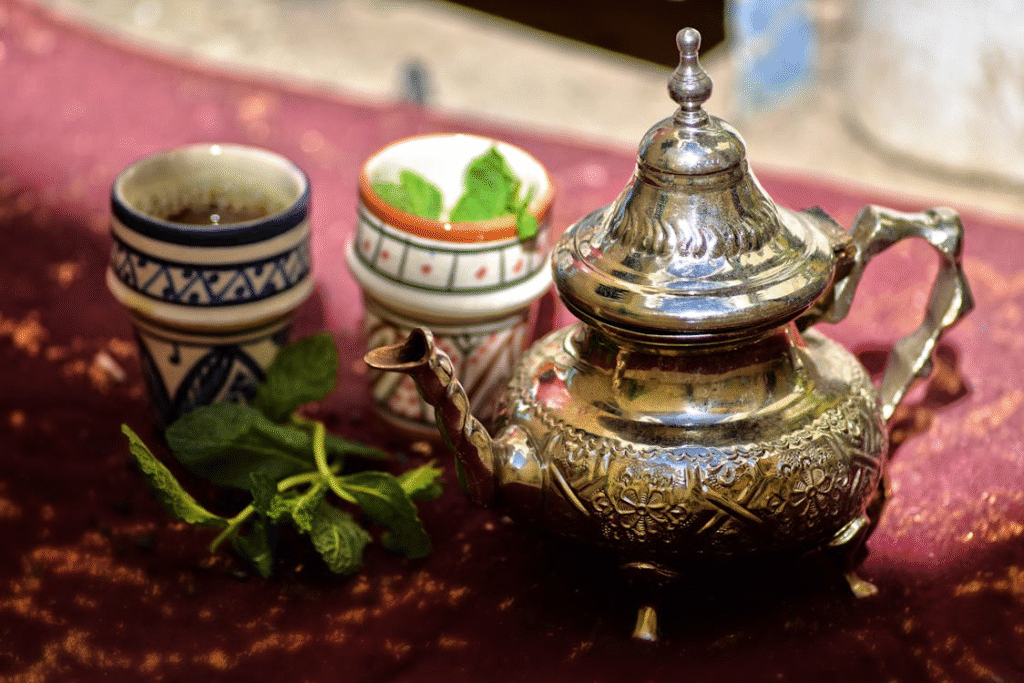
Master Moroccan Mint Tea and immerse yourself in one of the country’s most cherished traditions. From the fragrant spearmint and sweetened green tea to the ceremonial high pour that creates a foamy crown, every step reflects centuries of culture and hospitality. Learning this ritual offers travelers a unique way to connect with Moroccan homes, deserts, and cities while experiencing the warmth and generosity that define the kingdom.
Morocco’s mint tea, locally known as atay, is much more than a refreshing beverage—it is a symbol of hospitality, culture, and social connection. To truly master Morocco’s mint tea art is to embrace a centuries-old ritual that is central to Moroccan life. From bustling city medinas to remote desert oases, this fragrant drink tells the story of a country proud of its traditions.
The Cultural Significance of Moroccan Mint Tea

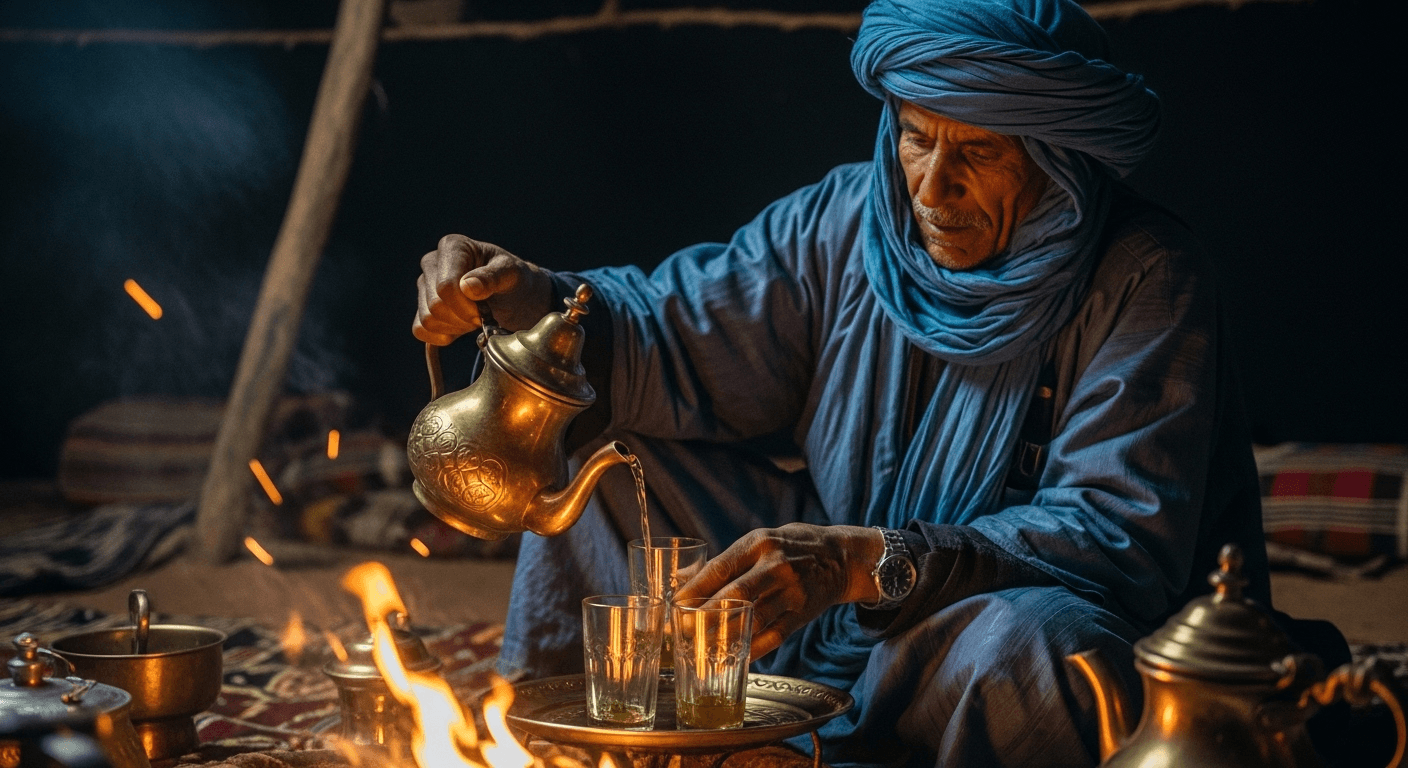
In Morocco, tea is not just consumed—it is ceremoniously shared. Serving mint tea is a gesture of welcome and respect. Guests are offered tea as a sign of generosity, and it is customary to accept it. Whether in a riad, a family home, or a desert camp, mint tea acts as a bridge between people, fostering conversation and connection.
Essential Ingredients

While Moroccan mint tea may seem simple, mastering it requires attention to detail. The classic ingredients include:
- Green tea (usually Chinese gunpowder tea)
- Fresh mint leaves (spearmint is traditional)
- Sugar (generously added, according to taste)
The balance of these ingredients is crucial. Too little sugar or mint alters the signature taste, while regional variations add unique twists.
The Ritual of Preparation

Preparing Moroccan mint tea is an art form. The ritual includes:
- Rinsing the tea leaves – The first brew is discarded to remove bitterness.
- Layering mint and sugar – Fresh mint sprigs and sugar are combined with the tea leaves in the teapot.
- Pouring from a height – Tea is poured from a height into small glasses to aerate the liquid, creating a foamy crown that signifies mastery.
Every step reflects care, skill, and respect for both the drink and the guest.
Regional Variations

Moroccan mint tea varies depending on the region:
- Northern Morocco: Sweeter and heavily infused with mint.
- Southern and Sahara regions: Sometimes enhanced with herbs like wormwood (chiba) for a unique bitter-sweet balance.
- Atlas Mountains: Local herbs such as thyme or mountain plants may be added, reflecting the biodiversity of the area.
These regional twists make every tea-drinking experience unique.
Tea as a Social Experience
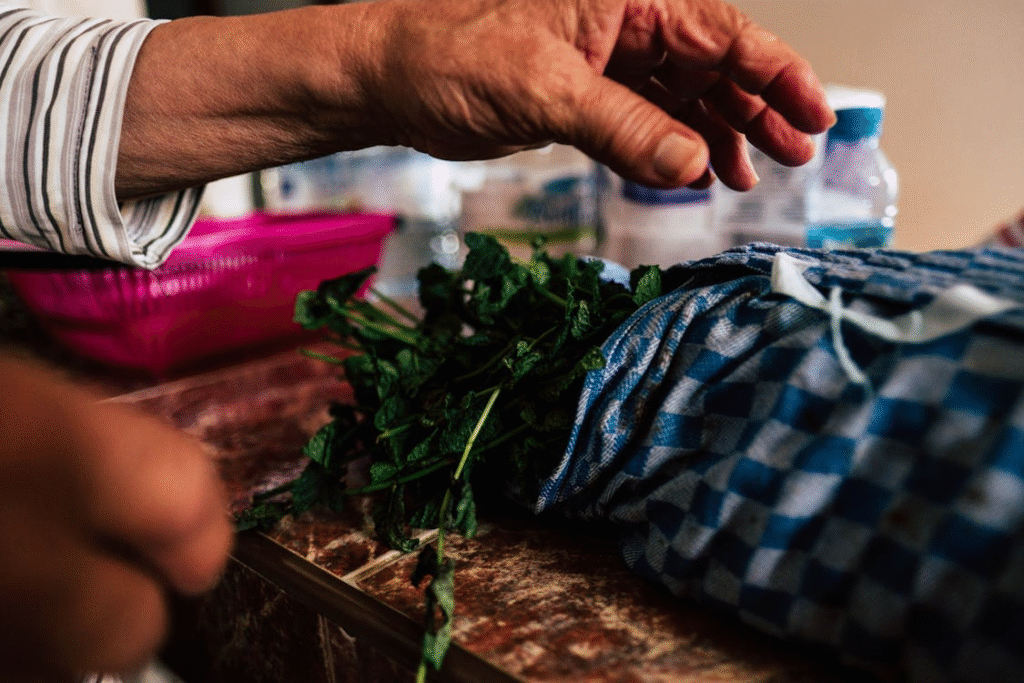
Beyond its flavor, Moroccan mint tea is a social ritual. Friends and families often spend hours refilling glasses, sharing stories, and enjoying each other’s company. This communal aspect emphasizes the tea’s role in Moroccan culture as a connector, not just a drink.
Learning the Art Yourself

Visitors can immerse themselves in Moroccan tea culture through workshops, cooking classes, or homestays. Learning to brew, pour, and serve the tea correctly allows travelers to gain a deeper understanding of Morocco’s traditions and hospitality.
Conclusion
To master Morocco’s mint tea art is to engage with a living cultural practice that embodies hospitality, community, and tradition. Each fragrant, foamy glass poured is a story of history, a connection between people, and a celebration of Moroccan life.
Whether you are a traveler, a food enthusiast, or simply a lover of tea, embracing this ritual will enrich your Moroccan experience and leave you with memories as warm and enduring as the tea itself.