
There’s a moment in the Sahara that group tours rarely capture. You’re sitting on a sand dune, the sun bleeding gold and crimson across the horizon, and your camel breathes softly beside you. No one is rushing you. No bus is idling nearby. It’s just you, the desert, and a guide who grew up in these sands explaining how his grandfather navigated by the stars.
This is what private Morocco desert tours with local guides offer: access to experiences that don’t appear in guidebooks, flexibility to linger where others hurry past, and connections with people who transform a trip into something genuinely transformative.
In this guide, we’ll walk through what makes private tours different, what you can expect on a typical desert itinerary, how to choose the right duration and timing, and practical tips for making the most of your adventure. Whether you’re planning your first Morocco trip or returning to explore deeper, here’s what you need to know.
What makes private Morocco desert tours different
The private tour advantage
The difference between private and group tours isn’t just the size of your vehicle. It’s the difference between following a fixed schedule and having room to breathe.
With a private tour, your itinerary bends to your interests. Want to spend an extra hour photographing Ait Benhaddou’s kasbah walls as the light shifts? Your guide waits. Prefer to skip the tourist restaurant and eat where truck drivers stop? He knows the spot. Traveling with kids who need frequent breaks? The pace adjusts without apology.
Your driver becomes more than transportation. A good local guide functions as a cultural interpreter, someone who explains why that shopkeeper offered you mint tea (it’s not just hospitality, it’s a ritual), or what the call to prayer actually means to the people living here. Many guides are Berber, with family histories in the Atlas Mountains or desert regions they now share with visitors.
Vivid Morocco Tours, based in Marrakech, operates with this philosophy at its core. Their team brings decades of combined experience, but what matters more is their network of relationships: the families who welcome guests for tea, the camp managers who reserve the best tents, the city guides who know which medina corners still feel authentic.
Local guides as cultural bridges
Language barriers dissolve quickly when your guide speaks English, Arabic, Berber, and often French. But fluency is just the start.
Local guides understand the “unspoken rules” that trip up independent travelers. They know when to accept tea (almost always), how to navigate the medina’s labyrinth without getting lost, and which areas require more conservative dress. They handle the complex social choreography of bargaining in souks, tipping appropriately, and reading situations that might feel ambiguous to outsiders.
Safety matters too, especially in remote desert areas or crowded city centers. A guide who knows the territory spots potential issues before they develop and knows who to call if something goes sideways.
Most importantly, local guides bring personal stories. When your driver points out a village and mentions his cousin lives there, or explains a tradition by describing his grandmother’s practices, Morocco stops being a destination and becomes a place with depth and continuity.
What to expect on a Morocco desert tour
Typical itinerary highlights
Most desert tours follow a classic route from Marrakech toward the Sahara, then return via a different path to maximize what you see. Here’s how a typical journey unfolds.
Marrakech departure starts in the red city, where your guide collects you from your riad or hotel. The drive begins early, climbing through the Atlas Mountains via the Tizi n’Tichka pass. At 2,260 meters, the views stretch across valleys dotted with Berber villages built from the same red earth as the mountains themselves.
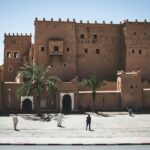
Ait Benhaddou appears like a mirage, a fortified kasbah that looks exactly like the Hollywood version of an ancient Moroccan city because it is one. This UNESCO site has appeared in Game of Thrones, Gladiator, and Lawrence of Arabia. Your guide walks you through its narrow alleys, explaining the defensive architecture and pointing out the traditional crafts still practiced here.
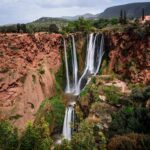
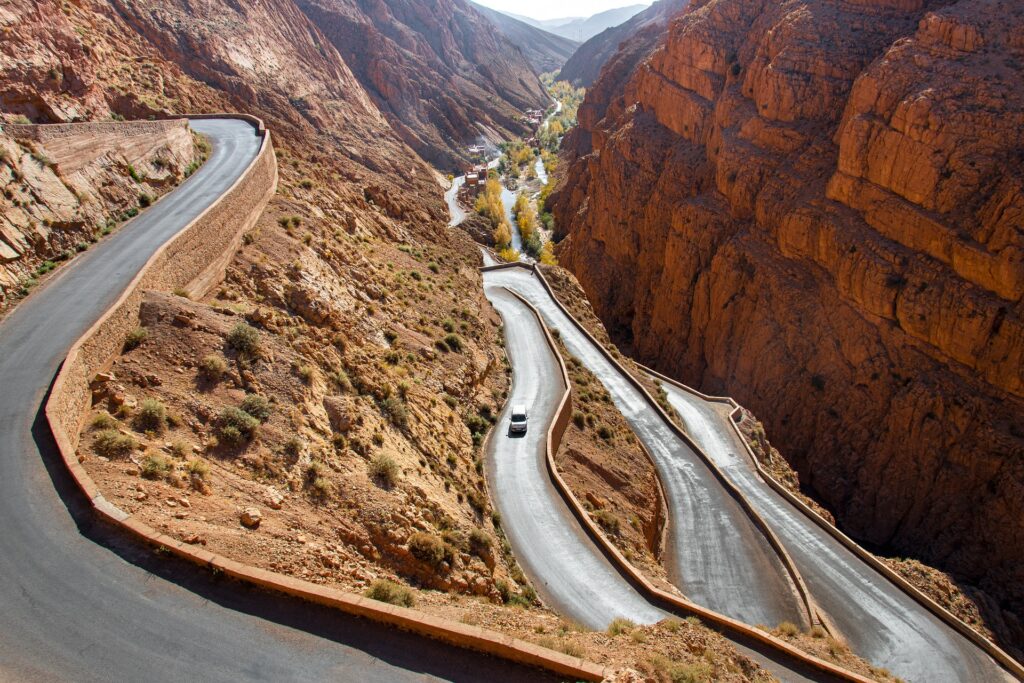
The route continues through Dades Valley, where dramatic rock formations called “monkey fingers” rise from groves of palm trees and kasbahs crumble slowly back into the earth. Todra Gorges offers a different landscape entirely: towering canyon walls that narrow to just 10 meters apart, with a river running through and climbers scaling the rock faces.
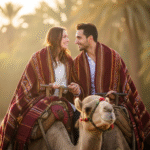
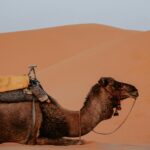
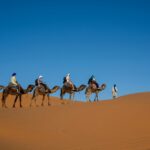
Then comes the Sahara. Merzouga sits at the edge of Erg Chebbi, a sea of dunes that shift color from gold to rose to deep orange as the sun moves. You meet your camel caravan here, mounting up for the trek into the dunes as afternoon light lengthens. The ride takes about an hour, swaying gently as the desert expands in every direction.
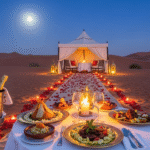
Your camp awaits in the dunes. After dinner (usually tagine cooked over open fires), the entertainment depends on your camp style: some offer traditional music around the fire, others emphasize the profound silence. The stars here are unlike anything you’ve seen. No light pollution means the Milky Way stretches clearly across the sky, and shooting stars are common.
The return journey typically passes through Ziz Gorge, where thousands of palm trees create a green ribbon through the canyon, and the cedar forests near Azrou, where Barbary macaques (monkeys) sometimes approach vehicles looking for snacks. If you’re continuing to Fes, the landscape shifts from desert to mountain to the rolling farmland of the Middle Atlas.
For a classic 3-day experience covering these highlights, consider the 3 Day Desert Tour from Marrakech to Merzouga.
What’s included in most private packages
Private desert tour packages vary by operator and comfort level, but most include the same core elements.
You’ll have air-conditioned private 4×4 transport throughout, with an English-speaking driver-guide who stays with you for the entire journey. This matters more than it sounds. Having the same person handle navigation, translation, and cultural context creates continuity that makes the trip feel cohesive rather than disjointed.
The camel trek is standard: typically an hour ride into the dunes at sunset, with a return trip (or sunrise option) the next morning. Camps provide dinner and breakfast, with bedding and blankets included. Desert nights get cold, even in summer, so proper insulation matters.
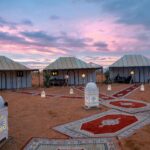
Accommodation options generally fall into three categories. Standard Berber tents offer authentic experience with shared facilities. Comfort camps add private bathrooms and better bedding. Luxury camps provide proper beds, hot showers, and sometimes even WiFi (though disconnecting is half the point).
In major cities like Fes or Marrakech, professional city guides join you for medina tours. These specialists hold official licenses and know the historical sites in depth.

Choosing the right tour duration and route
Tour length options
How long should your Morocco desert tour be? It depends on what you want to see and how deep you want to go.
3-day tours cover the essentials: Marrakech, Atlas Mountains, Ait Benhaddou, Sahara, and either return to Marrakech or continue to Fes. This is the classic desert experience, efficient and focused. You’ll see the highlights without rushing, though you won’t have time for extensive exploration of the imperial cities.
5-7 day tours add depth. With extra days, you can properly explore Fes (the cultural capital with the world’s oldest university), visit Meknes and its Roman ruins at Volubilis, or detour to Essaouira on the coast for fresh seafood and Atlantic breezes. This duration lets you settle into the rhythm of the country rather than just sampling it.
8-11 day tours offer the complete Morocco experience. These itineraries include Chefchaouen, the famous “Blue Pearl” in the Rif Mountains, where every wall, door, and street is painted in shades of blue. You’ll have time for the imperial cities, the Sahara, and either the coast or mountain trekking.
14+ day tours are for travelers who want to truly immerse themselves. These might include cooking classes in Marrakech, multi-day treks in the High Atlas, time in the anti-Atlas region near Tafraoute, or beach relaxation in Agadir after the desert intensity.
Departure cities and their advantages
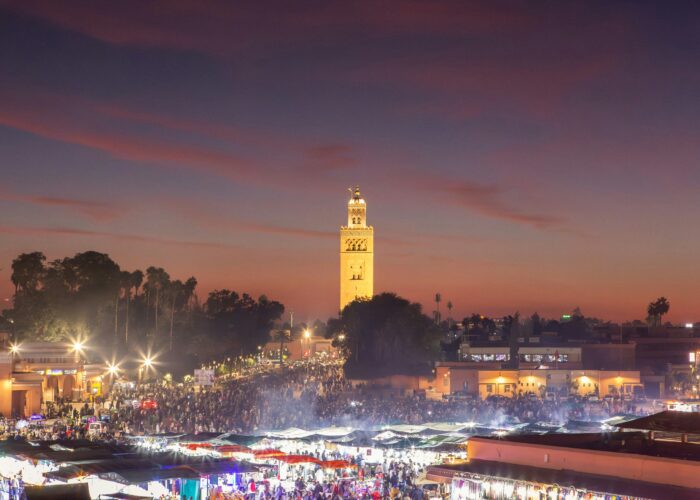
Most travelers start in Marrakech, and for good reason. The city has excellent international connections, a vibrant atmosphere that immediately immerses you in Moroccan culture, and it’s the logical gateway to the Sahara. The classic route runs Marrakech to Fes, or Marrakech and back with a loop through the desert.
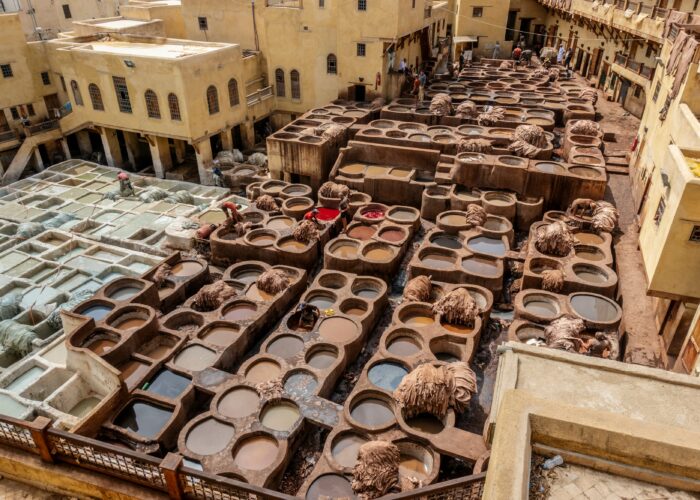
Fes works beautifully as a starting point, especially if you want a less touristy introduction to Morocco. The cultural capital feels more traditional than Marrakech, and beginning here means you’ll see the country from a different angle. The route from Fes to Marrakech via the Sahara offers the same highlights in reverse.
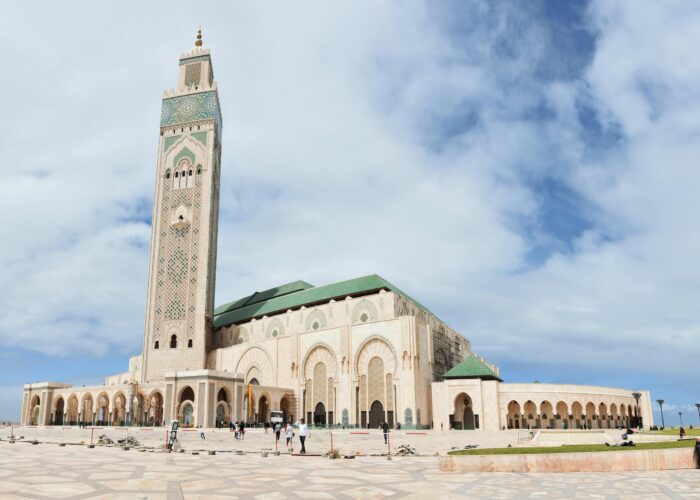
Casablanca makes sense if you’re flying internationally and want to see the Hassan II Mosque, one of the largest mosques in the world with its minaret rising directly from the Atlantic. From here, tours typically head to Rabat, then inland toward Fes or Marrakech.
Tangier is ideal if you’re coming from Spain or want to focus on northern Morocco. The blue city of Chefchaouen is closer from here, and the Mediterranean coast offers a different flavor from the desert south.
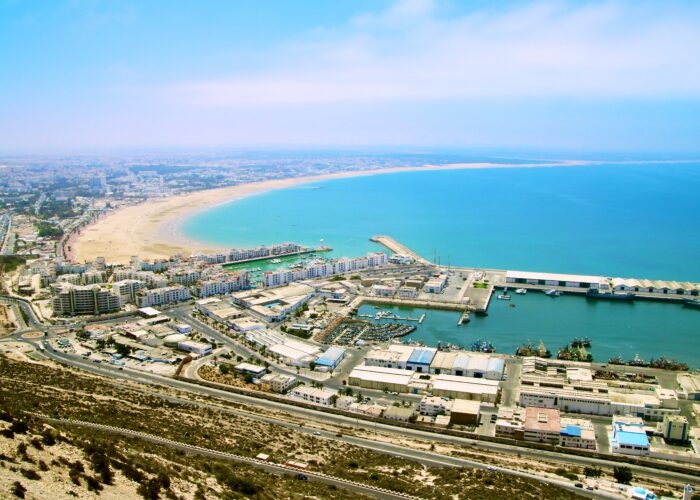
Agadir provides a coastal start, combining beach time with desert exploration. The anti-Atlas mountains between Agadir and the Sahara are less visited than the High Atlas, offering a quieter route.
Vivid Morocco Tours offers customizable itineraries from all these departure points, adjusting routes based on your interests and timeline.
Best time to book your Morocco desert tour
Seasonal considerations
Morocco’s geography creates dramatic seasonal variations, and timing your trip matters.
Spring (April to May) is widely considered the best time to visit. Temperatures are pleasantly warm without being oppressive, wildflowers bloom in the valleys, and the landscape is green from winter rains. The downside? Everyone knows it’s the best time, so you’ll need to book accommodations and guides well in advance. Expect higher prices and more crowded sites.
Fall (September to October) offers similar advantages with slightly fewer crowds. The summer heat has broken, the desert is comfortable, and the light takes on a golden quality that photographers love. This is another peak period requiring advance planning.
Summer (June to August) presents challenges. Desert temperatures regularly exceed 40°C (104°F), making midday activities uncomfortable or dangerous. The interior cities bake. However, coastal areas like Essaouira remain pleasant, and the mountains offer cooler escapes. If summer is your only option, build in coastal time and plan desert visits for early mornings and evenings.
Winter (November to March) has its own appeal. Days are cool and crisp, crowds thin out dramatically, and prices drop. Desert nights get genuinely cold (sometimes below freezing), so proper gear matters. Mountain passes may see snow, which can be beautiful but occasionally causes route adjustments. Christmas and New Year’s see brief spikes in tourism and pricing.
Ramadan, the Islamic holy month of fasting, affects travel in ways worth understanding. In 2026, Ramadan runs from approximately mid-February to mid-March. During this period, many restaurants close during daylight hours, shops open later in the day, and the pace of life shifts. Tourists aren’t expected to fast, but eating or drinking publicly shows poor form. On the positive side, the evening iftar meals are festive community events, and you’ll see Morocco at its most traditional.
For detailed seasonal guidance, check The Best Time to Visit Morocco.
Practical tips for your private desert tour
Packing and preparation
Desert travel requires some specific preparation. Temperature swings are dramatic: you might be comfortable in a t-shirt at noon and need a down jacket by midnight.
Clothing: Pack layers. Lightweight, loose clothing covers you from sun while staying cool. Long sleeves and pants work better than shorts for sun protection and cultural respect. Bring a scarf or buff for sun and sand protection. A warm jacket is essential for desert nights year-round.
Footwear: Comfortable walking shoes with good grip for medinas (the streets are uneven and sometimes slippery). Sandals work for desert camps. Some travelers bring gaiters for the camel trek to keep sand out of shoes.
Essentials: Sunscreen (SPF 30+), sunglasses, and a wide-brimmed hat. Morocco uses European-style plugs (Type C, E, and F), so bring adapters. Cash is crucial: Morocco runs largely on cash, and ATMs can be scarce in remote areas. Small bills are useful for tips and small purchases.
Camera gear: Desert dust is hard on equipment. Bring lens cleaning supplies and consider a protective cover. Cold desert nights drain batteries faster than expected, so pack spares.
For a complete packing checklist, see What to Pack for a Morocco Desert Tour.
Cultural etiquette and the “unspoken rules”
Understanding basic cultural norms smooths interactions and shows respect.
Dress modestly, particularly in rural areas and religious sites. For women, this means covering shoulders and knees at minimum; men should avoid shorts in conservative areas. In the desert camps, standards relax somewhat, but err on the side of caution.
Photography etiquette: Always ask before photographing people. Some will refuse, and that’s their right. Others may expect a small tip. Your guide can help navigate these interactions appropriately.
Tipping is expected and appreciated. Budget roughly 100-150 dirhams per day for your driver, plus tips for camp staff, city guides, and anyone providing specific services. Your guide can advise on appropriate amounts for specific situations.
Bargaining in souks is standard practice. Start at about half the asking price and negotiate with good humor. Walking away is a legitimate tactic, and sometimes the shopkeeper will call you back with a better offer.
Basic Arabic phrases go a long way. “Salam alaikum” (peace be upon you) works as hello. “Shukran” means thank you. “La shukran” (no thank you) helps deflect persistent vendors without being rude.
For more guidance on appropriate dress, visit How to Dress Respectfully in Morocco.
Why travelers choose private tours with Vivid Morocco Tours
After researching dozens of operators and reading hundreds of traveler reviews, certain patterns emerge about what makes a Morocco tour truly exceptional.
The best experiences come from companies with deep local roots. Vivid Morocco Tours operates from Marrakech with a team of guides and drivers who have spent their lives in the regions they show visitors. This isn’t outsourcing to subcontractors; it’s a network of people who know each other, trust each other, and share a commitment to authentic experiences.
Their three-tier accommodation system lets travelers choose their comfort level. Classic Comfort stays in traditional riads and guesthouses with authentic character. Affordable Luxury upgrades to boutique properties with enhanced amenities. Deluxe Luxury selects the finest 5-star riads, resorts, and desert camps with premium services and fine dining.
But the real difference shows up in the details. One traveler described their experience this way: “Our driver became one of my closest friends, and I can’t thank him enough for making the journey so memorable.” That kind of connection doesn’t come from following a script. It comes from guides who have the flexibility to adapt, the knowledge to explain, and the personality to connect.
Tailor-made itineraries mean your trip matches your interests. Photography enthusiasts get sunrise and sunset positioning at the best spots. Food lovers visit working farms and family kitchens. History buffs spend extra time at Roman ruins and medieval madrasas. Families with children get pacing that accommodates shorter attention spans and earlier bedtimes.
24/7 support means someone is always available if plans need to change. Flights get delayed, weather shifts, and sometimes you just need advice about a restaurant. Having a local team on call provides peace of mind that independent travel can’t match.
Start planning your private Morocco desert adventure
If you’re considering a Morocco desert tour, start by thinking about your priorities. What’s your timeline? Are you looking for a quick Sahara sampler or a deep cultural immersion? Who’s traveling with you, and what are their interests and physical capabilities?
Consider your must-see destinations. The Sahara is non-negotiable for most, but do you also want imperial cities, mountain trekking, coastal relaxation, or the blue streets of Chefchaouen? Each addition changes the ideal duration and route.
Think about your travel style. Do you prefer moving every night, or would you rather base yourself in a few locations and take day trips? Are you comfortable with basic accommodations, or do you need certain amenities to enjoy the experience?
Once you have a sense of what you want, reach out to discuss options. The best operators will ask questions you haven’t considered and suggest combinations you didn’t know were possible. They’ll also be honest about what’s realistic in your timeframe.
If you’re traveling in spring or fall, book well in advance. The best guides and accommodations fill up months ahead, and last-minute availability is limited. Summer and winter offer more flexibility, though Christmas and New Year’s still require early planning.
Every journey to Morocco should be as unique and vibrant as the country itself. The desert is waiting. Let’s create yours.
Ready to start planning? Contact Vivid Morocco Tours to discuss a customized itinerary that matches your vision.
Frequently Asked Questions
Are private Morocco desert tours with local guides worth the extra cost compared to group tours?
For most travelers, yes. Private tours offer flexibility to adjust pacing, visit non-touristy spots, and build genuine connections with your guide. You control the itinerary rather than following a fixed schedule. The value increases significantly if you’re traveling with family, have specific interests like photography, or want authentic cultural exchanges that group tours rarely facilitate.
How far in advance should I book a private Morocco desert tour with local guides?
For spring (April-May) and fall (September-October) travel, book 3-4 months ahead. These are peak seasons when the best guides and accommodations fill quickly. For summer and winter, 4-6 weeks is usually sufficient, though Christmas and New Year’s require earlier booking. Last-minute arrangements are sometimes possible but limit your options.
What’s the difference between standard and luxury desert camps on private Morocco desert tours?
Standard camps offer authentic Berber tents with shared bathroom facilities and basic bedding. Comfort camps add private bathrooms and better mattresses. Luxury camps provide proper beds with quality linens, hot showers, gourmet meals, and sometimes WiFi. All include dinner, breakfast, and the same camel trek experience. The choice depends on your comfort priorities and budget.
Can I customize my private Morocco desert tour itinerary with local guides?
Absolutely. That’s the primary advantage of private tours. Want to spend extra time in Ait Benhaddou? Skip a stop to reach the desert earlier? Add a cooking class or village visit? Your guide can adjust the route. Reputable operators like Vivid Morocco Tours build itineraries from scratch based on your interests rather than forcing you into preset packages.
What should I wear during a private Morocco desert tour with local guides?
Pack layers for temperature swings. Lightweight, loose long sleeves and pants protect from sun while staying cool. Bring a warm jacket for cold desert nights. A scarf serves multiple purposes: sun protection, sand protection, and modesty when needed. Comfortable walking shoes are essential for medinas. In camps, standards relax, but modest dress shows respect in villages and cities.
How physically demanding are private Morocco desert tours with local guides?
Most tours are accessible to anyone with average mobility. The camel trek involves mounting and dismounting (guides assist) and about an hour of gentle swaying. Walking in medinas involves uneven surfaces and hills. Desert camps require walking on sand. If you have mobility concerns, discuss them when booking. Guides can adjust routes and select accommodations with better accessibility.
What’s included in the price of private Morocco desert tours with local guides?
Standard inclusions cover private 4×4 transport with English-speaking driver-guide, accommodation (nights in hotels/riads and desert camp), camel trek, dinner and breakfast at the camp, and professional city guides in major destinations like Fes. Lunches, entrance fees to monuments, and tips are typically extra. Always confirm exactly what’s included when comparing quotes, as definitions vary between operators.